Invasion Of The Murder Hornets


Murder Hornet 1

While watering my landscape this morning, I heard a loud buzzing sound radiating from a Salvia bush. I part the leaves searching for this buzzing source.

Bingo, attached to a branch, is a Murder Hornet. I have a picture of the little beast on my refrigerator for identification, since I knew they were heading my way. The Farmers Almanac said they would make Texas by late spring, so the magazine was correct for once.

Why are all pandemics, poisonous foods, pharmaceuticals, and end-times monsters originating from the Asian continent, mainly China?

It’s a laundry list of evil mutants starting with Godzilla, Mothra, Son of Godzilla, King Kong fighting Godzilla, Giant Transformers, The Corona Virus, The Asian Flu, The Bat Flu, the Pig Flu, the Bird Flu, and now hornets with the face and murderous attitude of Charles Manson.

Fearing for the lives of my Bumble Bees, I spray the Murder Hornet with a substantial dose of Black Flag. It flaps its wings a few times and buzzes at me. No effect whatsoever. Okay, this mutant is chemical resistant and knows what I look like and where I live.

I retrieve my 1966 era Daisy BB Pistol from my work shed; old school tactics are now on the table.

I sneak up to the Salvia bush and spread the branches enough for a clean shot. There it sits with a Bumble Bee in its grasp, stinging the life out of the poor pollinator. I see a dozen more casualties on the ground below the plant—Satan with wings and a stinger. This monster has to go to La La Land now.

The first BB bounces off the buggers’ armor plating, putting a hole in my den window. There goes $300 bucks. Now it’s personal. The second and third shots wing the critter, and now it is insanely mad and buzzing like a chainsaw.

With only two BBs left in my pistol, I go for the kill shot to the head. I take my aim and begin to squeeze the trigger. The murderous thug-bug looks up at me with its Charles Manson eyes, and a shiver runs up my spine.
” Go ahead, kill me if you must, but I have friends that will track you down.” It’s look says it all.

I take the shot, and the invader falls to the ground, headless. The Bumble Bees, sensing victory, swoop in and finish the killer off. Payback for their fallen brethren.

I retrieve the dead hornet from the bush with a pair of Martha Stewart grilling tongs and place it on my backyard retaining wall. A few squirts of charcoal lighter fluid and a wooden match complete the deed, and the bad-ass bug is on its way to hornet Valhalla.

My wife walks up and says, ” so, you got him, good job. Look at these cute little packs of Chinese seeds that came in the mail just now.”

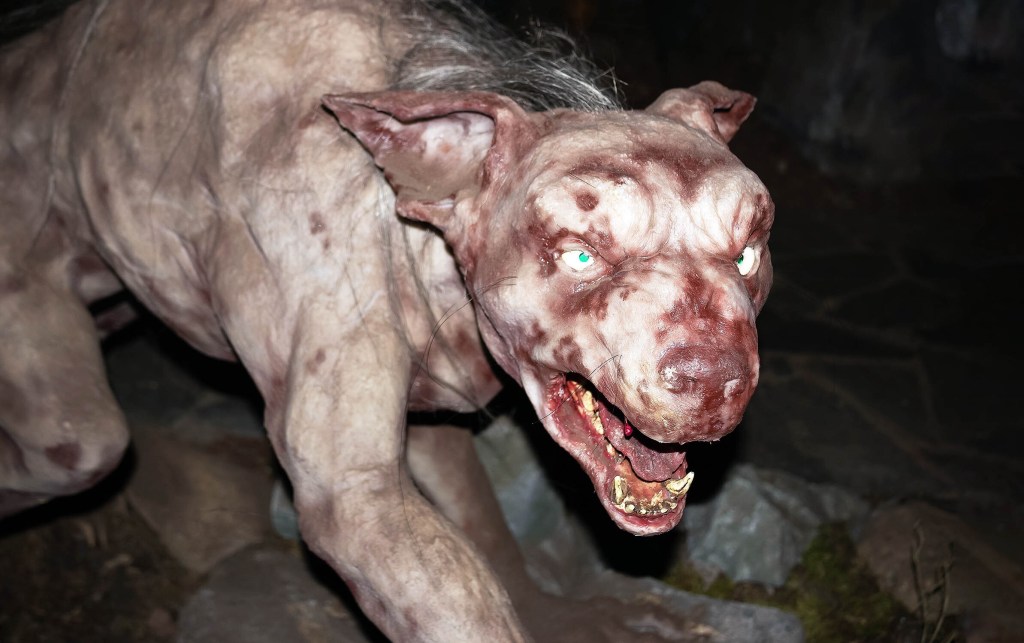
Is the Chupacabra Back? Colorado Springs Residents Report Sighting


Dire news for the good citizens of Colorado Springs: the elusive and dangerous Chupacabra has returned. A local resident, Miss Sunshine, a retired mid-wife and medicine woman, spotted the semi-mythical creature sitting in the road in front of her home, and than later that night she found it feasting on feral cat food on her deck. She described it as a mangy muscled brown hot mess about the size of a large dog. The critter had glowing eyes that seared into her brain, a long pink snout, and illuminated toxic drool dripped from it’s mouth as it chomped down on a bowl of Little Friskies Feral Cat Feast.

Local NPR field reporter Maya Sharona asked her a few questions about her unnerving encounter with the Chupa.

MS: Miss Sunshine, what makes you think this was the mythical Chupacabra?

Sunshine: At first I thought it was the dog down the road, old John Boy, but the closer I got, it was clear to me that this was a Chupa. I drove around the thing and it started chasing me, sort of like those dinosaurs in Jurassic Park, chasing that jeep. I floored my Prius and made into my garage and into the house, that’s when I called the sheriffs office to report it. Officer Fife and Chief Andy came out, but the thing was gone by then. Later that night it showed up on my deck and was eating the Friskies I put out for the herd of feral cats that live in the woods behind my house. I worry about them kitties because Sasquatch lives out there too and I hear he is fond of Cat meat. I took a good picture with my iPhone.

The Art of Writing: Going Old School with Typewriters


Old Ernest is tapping away on another good book.

For my birthday a while back, my wise and thoughtful wife, Momo, gifted me a classic 1970 Underwood 310 manual typewriter. It is a wonderful present I would never have purchased, although I have yearned for one for a while now.

For some time, possibly five years or so, I have been whining and casually threatening to go “old school” with my writing and get away from this demon laptop. It’s too easy to keep on tapping and spit out a page or two of gibberish that has more words than needed and makes no sense. It’s not about speed and what your program does; it’s about the content. A typewriter makes you think before striking that key. The delete button does not exist.

Hemingway would tap for hours on end, and then if he wasn’t pleased with his effort, it went into the waste basket. Using a typewriter to transpose your thoughts to paper is a commitment, and not an easy one.

There was a typewriter in our household when I was a child. It was a large black beast of an Underwood, all pure American heavy metal, requiring a grown man and a hefty child to lift it. I would peck on it for hours and eventually come up with something legible. I never once saw my parents use it, so its presence in our home was a mystery. I heard from my older cousin, Cookie, that it was my grandmother’s when she lived in California, and she spent all of her waking hours tapping away letters and movie script ideas. It caused a good bit of drama and injury within the family, so it was banished to our household for safekeeping. My father wasn’t pleased when he would find me chicken pecking away.

My love of the machine started at an early age, and came into full blossom as a teenager in the 1960s, when I started to write stories. I took typing in high school to sharpen my skills and learn the keyboard. I studied two years of journalism, and learned to love the written word. My teacher was my mentor. She pushed me to excel. It all paid off well. When computers came about in the late 90s, I was a good typist and had no problem adapting.

I will keep you posted on how this “old school” project turns out. I typed a page on my Underwood, and my fingers are throbbing.

Senior Moments: The Importance of Social Filters


A few days back, my wife and I visited one of the big box stores looking to replace the water filter in our fancy refrigerator.


After reading the directions that came with the stainless beast, I realized that the filter is two years past its recommended change date, and it should be changed every six months. That explains why our ice tastes like garlic and smells like a stinky foot.

I told my wife, ” don’t get me started on why a two-thousand dollar refrigerator needs a water filter. Back in the day, we got cold water from an aluminum pitcher that sat in the icebox and our ice from trays, and that was plenty good enough.” She agreed and knew better than to push the matter when I use the term “back in the day.”

The orange store didn’t stock the filter but said they could order one, which may take up to six months to arrive. That got under my skin, but good, because we bought the sickly beast from them. We moved on to the other box store, the blue one.

The young lady at the blue store was no help. We gave her the part number and the model. She took a picture of the instruction page with her cell phone, then took a selfie and said she would be right back. Twenty minutes later, we are left standing in the appliance department, and the young lady is missing in action. My blood pressure is now up at least twenty points, and my hypoglycemia has kicked in, so I’m officially pissed, and dangerous.

I find the kiosk for the appliance department, and the young lady is sitting at the desk, talking on her smart-ass cellphone. The conversation was much too personal and not related to customer service. I stand directly in front of the kiosk, hoping to catch her attention when she holds up one finger and shushes me away. I don’t mind my wife doing that, but when a total stranger does it, it’s pure audacity. I can’t tolerate impertinence and rudeness, especially from youngsters.

I am now in full meltdown mode. My face is burning hot, my back is itching, and this seasoned body is trembling like a dog trying to crap a peach pit. And, of course, I have to pee. The bladder of a senior has no conscience or timeline, so I hustle off to the men’s room.

Returning to the kiosk, the young, “essence of rudeness” little moron is now texting. I snap and reach for her cell phone with the grace and speed of Mr. Miyagi teaching young Daniel-San to wax on, wax off. I remove the phone from her fingers. I then throw the device on the floor and stomp the smart-ass piece of technology to pieces. Miss Moron of the year, is too stunned to react.

I don’t remember the few minutes that followed the killing of the phone, but my wife said it was the most epic display of cursing, fit throwing and thrashing around that she has witnessed. Rightly deserved, she added.

While driving home, my wizened mate tells me, “you are going to see Doc Bones tomorrow.”
Still shivering and twitching from the effects of the demon that possessed me earlier, I ask,” why?”

She leans over, pecks me on the cheek, and says, “Darling, I believe your social filter is about twenty years past its change date.”

The Legacy of Junior: Cowboy to Coffeehouse Icon


Junior Gives Fort Worth The Blues

An old friend of mine passed a few months ago. We had been apart for years, yet he held a distinct place in my thoughts. I sometimes borrowed fragments of his vivid life for my short stories, which pleased him. His name was simply Junior. He believed a last name was of no consequence and cared little for family ties.

In 1957, he opened a coffee house in the heart of downtown Fort Worth, Texas. Although they will tell you that “The Cellar” was the first, the “Hip Hereford” came first by a full year.

Junior was born to be a cowboy. His father, grandfather, great-grandfather, and all the uncles and cousins wore the same boots and lived by the code of the West. There were more cowboys in his bloodline than in a John Wayne film. It should have been his fate. But then, his favorite horse, Little Bill, kicked him hard in the head. After that, he turned his back on the rugged ideals of the West. He became the owner of a coffee house club, a renaissance man, a poet, and a man who lived life like a Stetson-wearing beatnik. He said a life spent on a sweaty saddle, inhaling the stench of cattle farts, was not the life he dreamed of.

The opening night for the coffee house was Halloween 1957. Junior hires two street winos to help run the door and do odd jobs. They were reluctant to give him their birth names, so he christened them Wino 1 and Wino 2. They were good to go as long as Junior paid them and kept the booze flowing. The following is an excerpt from the unfinished story.

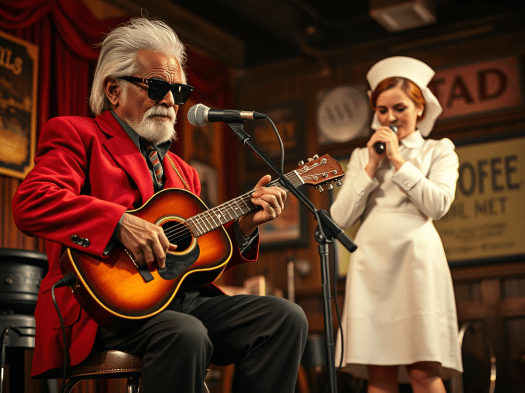
Around 7:15, Wino 2 informs Junior that the first performer has arrived and takes the stage for the introduction. He steps to the mic and, in that pleasant voice, says, “Ladies and gents, please welcome to the stage, Mr. Blind Jelly-roll Jackson and his nurse Carpathia.”

An ancient black man with hair as white as South Texas cotton, holding a guitar as old as himself, is helped to the stage by a prim female nurse dressed in a starched white uniform. The old man wears a red smoking jacket, a silver ascot, and black trousers. Dark sunglasses and a white cane complete his ensemble. The old fellow is as blind as Ray Charles.

The nurse gently seats the old gentleman in a chair provided by Wino 1 and lowers the large silver microphone to a height between his face and his guitar. She then stands to the side of the stage, just out of the spotlight. Blind Jelly Roll starts strumming his guitar like he’s hammering a ten-penny nail. Thick, viscous down strokes with note-bending riffs in between. His frail body rocks with every note he coaxes out of his tortured instrument. He leans into the mic and sings,

“We’s gonna have us a mess o’ greens tonight…haw..haw..haw…haw…gonna wash her down with some cold Schlitz beer..haw..haw..haw..gonna visit ma woman out on Jacksboro way…gonna get my hambone greased”. This was Texas blues at its best.

On cue, his nurse steps into the spotlight, extracts a shiny Marine Band harmonica from her pocket, and cuts loose on a sixteen-bar mouth-harp romp. Her ruby-red lips attack that “hornica” like a ten-year-old eating a Fat Stock Show Corndog. The crowd loves it. They dig it. When Blind Jelly Roll finishes his song, Wino 2 passes a small basket through the group for tips. Jelly Roll and his nurse take their kitty and depart. He’s due back at the old folk’s home before midnight.

Dispatches From The Cactus Patch..Showing Some Love For Marfa, Texas


Momo and I are gearing up for our yearly trip to the Texas Bermuda Triangle: Marfa, Fort Davis, and Alpine. Strange lights, strange people, and a weird town full of characters out of a 1950s sci-fi western movie. We love the place. So in honor of our love for this quirky village, I’m revisiting a post about our last journey into the Chihuahuan Desert, the twilight zone of Big Bend, Texas.

In the days of COVID-19, when darkness, despair, and lemming-like stupidity seemed to envelop the world, every soul, human and animal alike, found themselves confined to their homes, forbidden to roam: even the wandering Buffalo was home-bound. It was then that Momo and I made a pact to evade the restrictions and set out on a clandestine journey to the remote Chihuahuan Desert, with our sights set on the enigmatic and quirky town of Marfa, nestled in the vast expanses of big sky West Texas. We had no idea that a small blurb of a village in the middle of the desert would be so ghosted. It was eerie in an Alfred Hitchcock movie way. We did find a small burrito hut, grabbed a few, and returned to Granbury. The trip was an utterly bummerited loss.

I wrote an unkind, snarky post about our Marfa visit in my hour of exasperated, irritated, and agitated gloom. The older I get, the more the little things in life send me into a combat zone of petulant whining and unforgiveness. So we were both surprised that, having a cocktail on our patio one evening, we decided to give little ole’ Marfa a second chance. We plotted a trip that would take us into the Chihuahuan Triangle, which, from what I have read, is a dry land version of the one-off of Bermuda. Marfa, Alpine, and Fort Davis make up the Texas twilight zone. Ghostly lights in the mountains, shooting stars that stop and change directions, and strange-looking young people wearing Keep Austin Weird tee-shirts that wander the streets at night searching for live music: it’s all there.

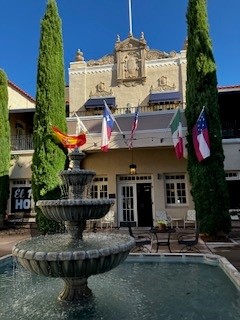
Hotel Piasano

Being a fan of the great Texas movie “Giant,” the Hotel Piasano, where the cast stayed during the 1955-56 filming, was our only historical option. Arriving in the afternoon, the lady at the check-in desk was gracious and friendly. She gave us the “classic” room, which in the hotel language means one that had not been renovated since the 1930s. That’s fine with us; we are interested in the historical value and feel of the place. I noticed some of the rooms were the star suites, so I asked about those. The concierge told us that the Rock Hudson room is available for around half a grand a night and includes a lighted display cabinet featuring the original book of wedding photos from his make-believe marriage. We passed. The Liz Taylor suite was priced the same and included a small lighted curio cabinet showcasing a dainty Italian crystal decanter filled with her spit. Momo said no. The James Dean suite showcased his favorite toiletry in a glass cabinet, his comb, and a half-used tube of Brylcream. No, on that one, too. The concierge did say that our room is rumored to have been the one that Chill Wills occupied, so we gave it a go. She added that the entire hotel is extremely haunted, so beware of ghostly appearances and personal items being relocated.

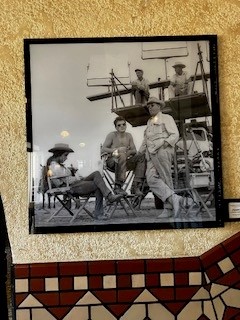
Liz, Rock, and Houston in Marfa 1955

Considering all the warnings about ectoplasmic phenomena, we unpacked in our classic room, which includes a 1930s-style bathroom with a corner shower and a drain in the sloped tile floor. I know damn well that Chill Wills could not have got his big ole Texas boy butt into this shower. French doors opened to a private walled patio with an outside stucco fireplace. How nice is that? I could picture Chill and Dennis Hopper sharing a whiskey by the fire. We enjoyed a cocktail while observing a thunderstorm roll over the mysterious mountains.

Our dinner at Jett’s Grill was nothing to text back home: My pork chop was too pink, and Momo’s chicken surprise lived up to its name; she was surprised it tasted like cardboard and cost thirty dollars. I enjoyed a Jameson Irish Whiskey on the rocks for almost twenty dollars, and Momo had a whiskey with ginger ale for twenty-one dollars; they charged her for the ginger ale. After paying the check, we felt a bit violated. We spent the rest of our evening in the classic room, waiting for another distant thunderstorm from over the mysterious mountains.

Planet Marfa
Local Marfites at Planet Marfa enjoy a brew, and Sagebrush Sonny is seated far left.

Planet Marfa became our next foray into the Big Bend Twilight Zone. The place took up half a city block. Inside was a genuine transcendental Indian meditation TePee, a full-size school bus dedicated to dogs, a modest kitchen offering the renowned Red Barron Pizza, and a bar bustling with locals partaking in their afternoon meet-and-greet. I found myself at the bar’s edge, ready to place an order, when I noticed an elderly gentleman perched on a stool beside me. Out of a sense of camaraderie, I motioned to the bartender to pour the old man another beer, my treat. He acknowledged the gesture gratefully, and we exchanged pleasantries as we shook hands and introduced ourselves. Resembling a character straight out of a Gabby Hayes movie, he embodied the quintessential oddity one might encounter in Marfa. Sagebrush Sonny Toluse, as he called himself, had called Marfa home for nigh on sixty years, having relocated from Presidio, Texas, a town situated right on the Mexico border and reputed to be the hottest spot in Texas.

I noticed Sagebrush Sonny had a wooden peg leg where his right-side human leg would normally be. He noticed me staring and felt compelled to explain his missing appendage. He asked if we were planning to visit the desert and view the famous Marfa lights. I said yes, we intend to do that tonight. He said they were quite a sight, but he warned me not to get caught out there after midnight: bad things happen in the desert.

He said he got caught out there after midnight about thirty years ago after his truck broke down. He decided to walk to town since he was close enough to see the glow of town lights, and that’s when a large pack of mongrels set upon him. He asked me if I had ever wondered why the desert was called the Chihuahuan Desert. I had no idea, so he explained. After the atomic bomb was built, the Army needed a place to dump the nuclear waste, so they chose a spot way out there, stashed some drums of goop, and left them to the elements. Over in Mexico, a fella was breeding Chihuahua dogs, and two of them got lost in the desert; of course, they found the nuclear waste site and lapped up some of the contaminated oozes, which did some crazy things to their DNA. Doing what dogs do, they had some pups, and then the pups met up with some Coyotes and had some more pups. The dogs kept on breeding until there were three or four thousand of the critters, except they weren’t regular dogs. They were all muscled up with shark-like teeth, and some had a fifth leg that allowed them to run like a greyhound dog. The mutts were still small, like a Chihuahua, but they were mutants and mean as hell. That’s how I lost my leg. A pack of them set upon me out there in the dark. I was trying to run, dragging some of them that had hold of my dungeree’s and then they started chewing my right leg. Since they were small, they could only reach up to my knee, and that’s where they stopped eating on me. A highway patrol came along and shot a few of the stragglers and took me to the hospital over in Presidio, where the doctor amputated what was left. That’s why I have the peg leg, and they are the reason it’s called the Chihuahuan Desert. The story alone made the trip a success.

Just Another Day Full Of Things


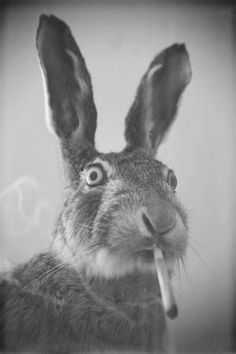
Before I kicked the smoking habit, I look better now

Old people do odd things: I know this firsthand. I’m good at it. A few months ago, the urge to gather and distribute my personal items to family and friends took hold. 2 am in the wee hours, wide awake, I wrote a list of my treasures and who might be the recipient when I assume room temperature. I found that over the years, I have accumulated more useless crap that no one would want.

My tool shed, art studio, storage shed, and junk pile will likely go to the nice folks at the local Goodwill store. The handicap shower chair and the two walkers will stay. The nice walker, the one with four wheels, a handbrake, and a seat, will likely be my new ride. Some guys get a Corvette; I get a souped-up walker. My friend Mooch says he can add a battery-powered motor to make the baby run 30 MPH.

A few weeks back, I bought back one of my acoustic guitars that I sold to Mooch when Momo and I moved to Georgetown, Texas in 2008. It’s a real beaut: a Gibson-made Epiphone E J160 e. Only fifty of them were made in Bozeman, Montana, likely by some of the Yellowstone Dutton family. Now, I have one guitar for each of my three grandchildren, of whom two play guitar.

Us’un humans collect things throughout our lives; it’s our nature. At the time, we might have needed them, but eventually, the things become useless “things” taking up space.

Momo and I are taking a road trip in mid-April. Back to Marfa and Fort Davis, Texas, the Big Bend Chihuahuan Desert. God’s country, big sky and brilliant stars. Marfa is our go-to escape. The town is full of eccentric street-rat crazy folks, and we enjoy interacting with them. I plan to interview a few while sitting at the bar in Planet Marfa, where most of them congregate nightly to swap lies and tell tall tales. I fit right in, my kind of folks, and I need fodder for my stories and yarns. I may fill my pickup full of “things” and give them to the characters I meet. Folks like free stuff and can give the things to their friends down the line.

Sundays, Beer, and Life Lessons from the Grocery Store


My Veteran

I wrote this story in 2012 when I first entered the blogging world and the Cactus Patch. Long forgotten, I ran across it this morning and felt it needed a re-tread. You meet some nice folks at your local grocery store, and it’s a good place to learn about life.

Sunday, the Sabbath, the seventh day of creation, is a time for rest and reflection. For more than fifty years, I have believed and found no fault with any of those holy descriptions.

Religious quotes take on different meanings over the years, and these days, if you took to the street and stopped any male between the ages of 18 and 30, and posed the question, What did God accomplish on the seventh day? Without missing a beat, his answer would probably be that he created football- what else? I can’t disagree with that. Historically speaking, it’s plausible that a few thousand years ago, on some vacant lot in Jerusalem, a group of kids were tossing around an inflated camel bladder. That is, until their mothers made them cease the silly game, afraid that they would break their little necks. With that ancient parental declaration, the game ceased and was lost to mankind until sometime in the late 19th century. It makes a man wonder what else was lost.

A few Sundays ago, I invited a couple of buddies over to watch the big game, Dallas against the Eagles.  Father Frank, our benevolent and supportive priest at ” Our Lady of Perpetual Repentance”,  gave most of the men an early discharge from mass so we could make it home for the kickoff. Quietly, the men filed out of the chapel, exiting to feminine hisses of ” blasphemer, sinners”. As I departed, my lovely wife, Momo, offered me a lip-quivering snarl. I thought it best not to point out that she had a piece of her breakfast bagel stuck between her front teeth.

Arriving home, I warmed up the flat screen and headed for the kitchen. I opened the fridge, but there was no beer. I went to the pantry, no chips, no bean dip, no nothing. I panicked. One hour to kickoff. I made it to the H-E-B grocery in record time.

I found the store overrun with packs of wandering males, lost and searching for the items on their list.

The chip aisle was a mosh pit—the dip cabinet was empty, and there was one frozen pizza left. “It‘s mine,” I yelled. Frantically, I headed for the beer section. The bodies were five deep, grabbing anything cold and alcoholic. I waded into the melee.

Beside me was an old gentleman, who looked to be in his nineties, in tow to a shriveled up wife of about the same age. He reached into the cooler and pulled out a six-pack of his favorite brew and placed it in their cart, next to the frozen dinners and the case of Metamucil. His wife, aghast, announced, “You know we can’t afford that on your pension, put it right back, now!” The old man offered a weak defense, ” It’s only a six pack and you know I have to have my beer when I watch my Cowboys”. Not to be. She stared him down, and he returned the treasure.

I noticed he wore an ancient Don Meredith jersey and a ball cap with a veterans patch, Airborne, it read, WWII, the real boys- boots on the ground after falling a mile- a soldier’s soldier, tough as boiled leather.

Do you know that feeling when something needs to be said but you can’t spit it out?

I wanted to blurt out,  “Don’t let that dried-up old Battle Axe take away your beer. Damn, you fought on the beaches and the fields of France, you killed Nazis, dodged bullets with your name on them, thumbed your nose at the Third Reich and Mussolini. You held your mortally wounded buddies as they drew their last breath, calling for their mother, as they started their journey home. You deserve to have your beer, tell the old Battle Axe to take a hike”.  I couldn’t say it. It would have made no difference, so I grabbed my beer and moved on. I watched them as they shuffled down the aisle, he slowly pushing the cart, she berating.

I needed some shampoo, so I made my way over to that aisle. There, in front of the beauty lotions, stood the old couple. Ms. Battle Axe was tossing bottles of creams, lotions, and astringents into their cart like a conveyor belt, and it seemed that their pension covered those items.

As I neared their cart, the old man, with perfect timing pipes up, ” you know we can’t afford all those expensive lotions on my pension, put that crap back!”

Battle Axe wheels around on her snow white Rockport walking shoe and fired back,” I need these things to make me look beautiful for you .”

The old veteran squinted his eyes, snarled his lip, and said, “Yeah, well, a six-pack of beer accomplishes the same thing, and it’s a hell of a lot cheaper.”

Everyone on the isle witnessed their exchange. Their chuckles, impossible to stifle. Embarrassed, the old couple, with crimson faces aglow, retreated down the aisle.

I caught up with them and offered my hand to the feisty old fellow. He shook my hand and gracefully accepted my impromptu, sputtering speech of appreciation for his service. My words finally exhausted, he looked me in the eye, winked, and gave my hand one last shake, squeezing my fingers like a small vice. We both smiled.

Without hesitation, I took my case of beer, stuffed a twenty-dollar bill in the cardboard, and dropped it into their cart.

Battle Axe said, “He doesn’t need that”.

In my most polite and official manner,  I  replied,

” It’s compliments of the  Dallas Cowboys, Mam”, and with that, I turned and walked away.

The old veteran yelled out, ” Sonny boy, hey son”

As I turned to face him, he raised a gnarled old fist and yelled, ” Go Cowboys!”. I returned the salute and continued on my way.

A Grandfather’s War Stories: Realities Beyond Hollywood


Honor And Duty In 1918

I wrote this back in 2020; hope you enjoy.

My grandfather, in 1917-18, served in the Army and the war to end all wars: World War 1. He fought in the mud and bacteria filled trenches in France: wounded twice and gassed once. He killed Germans in close hand to hand combat with a bayonet and a knife, never forgetting the look on the faces. He lost friends in vicious battles. There was no time to grieve or pay respects. That would come later in life.

Looking back through my childhood relationship with him, he likely suffered from what we now call PTSD. My Grandmother said he was a different man after that war, and at times, not a good one.

He refused to talk about the fighting and killing until I was around ten-years-old, and he was dying from Lymphoma cancer. His doctors at the VA Hospital said it was caused by the gassing he received in the war. He knew that I might someday go to war, so he wanted to let me know it was not like the movies.

We sat for a many hours one afternoon a few weeks before his passing. His descriptions of battle and the things he had done for his own survival was beyond anything I could imagine. I was young, and war to me was black and white movies. James Cagney in “The Fighting 69th,” or John Wayne and a host of others playing army, like my neighborhood friends and I did. No one really died, and when shot, there was no blood or screaming.

The last few days of his life were spent in and out of reality, reliving those battles as he lay in a veteran’s hospital in Dallas. My father, a veteran himself, was the recipient of my grandfathers last horrors. Those days my father sat by his bed, listening to the nightmare his father had carried for all those years, had a profound effect on him.

John Henry Strawn made sure I knew what real honor and duty were about. It followed him for a lifetime.