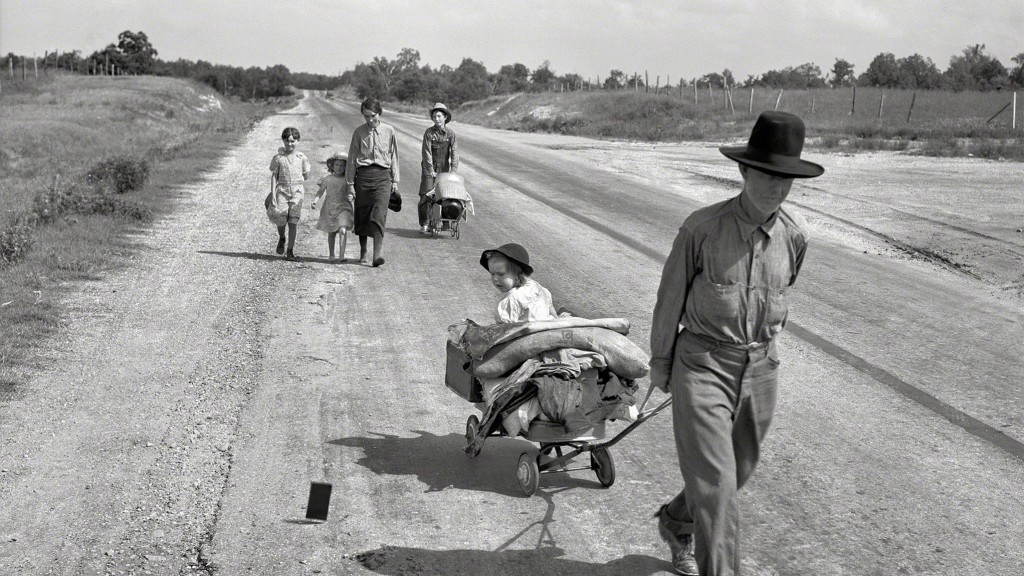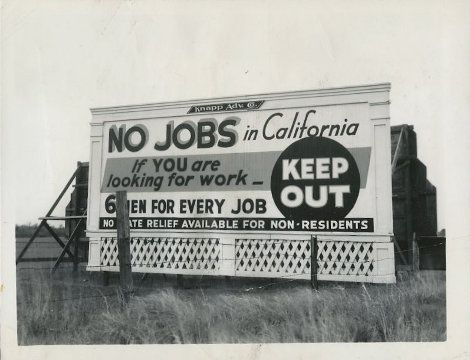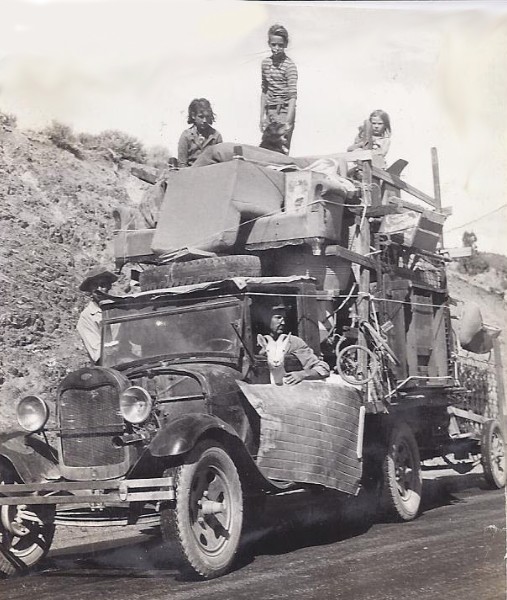
My grandparents, my father, and my aunt migrated from Texas to California in 1934 because there were no jobs available in Fort Worth or Dallas. When reaching the desert town of Needles, CA, they were immediately labeled “Okie’s” by the border guards. My grandfather, a man of few but choice words, mostly curse ones, did his best to convince the guards that he was a Texan and had visited Oklahoma once for a funeral, which made the situation worse because the guards then labeled them Texas Okie’s, which was a double insult, and to boot, they weren’t welcome in the land of pleasant weather and movie stars. Grandfather turned himself into a poor man’s Will Rogers, with plenty of aw-shucks, dirt-kicking, and head-scratching, which made the guards laugh, so the family was admitted. He forgot to mention the three pistols, the sawed-off shotgun, and his pet Rattlesnake, stashed in a burlap bag under the front seat of his Ford.
It was quite a weekend for us average Americans. A former and possibly future president was almost assassinated by a twenty-year-old anti-social nut-job, the recipient of school bullying. Take note of anyone who was ever bullied, pushed, or spoken to in a demeaning manner in your high school days. Shooting people is not the panacea.
The present commander-in-chief hesitated for two hours before delivering a statement. When it finally came, it was a brief, confused jumble, possibly crafted by (not a medical professional) Jill Biden. It urged for a reduction in the aggressive language and insinuated that this was the result of America’s conservative faction. Now that’s damn sure taking it down a notch or two, Mr. President..keep it up.
You know those individuals on the right side? They are the regular, hardworking, blue-collar folks driving the pickup trucks they use in their trade. They build our homes and buildings, repair our plumbing and electrical, check out our purchases at the grocery store, pave our roads, support their kid’s little league and soccer teams, and tithe what they can to their church. These folks are struggling to afford basic necessities under Biden’s economic H-bomb. I highly doubt they have time for violence. Just getting by consumes all their energy and money. The welder with a family of five now has to saddle the debt of some woke child’s college loan for a worthless degree in Social Media Posting or perhaps Taylor Swift Music Theory. The parents want the dependent swindler out of their home; they require the kid’s room for their podcast studio. And let us not forget the ten million illegals that have invaded our country; they are living in luxury hotels and receiving hefty benefits for being criminals. All the Democrats ask is that they vote for their candidate when they are allowed to cast a ballot. Ask the homeless mother with a few children, living in a cramped shelter, or perhaps on the streets or in her minivan how she feels about the invasion of foreign grifters draining our social services when she can’t get a damn dime, a meal, or a room at Motel 6.
I’m an old fella turning 75 come September, and I ain’t liking it at all. Every joint aches, and the fear of major organs giving out is as real as can be. Momo, my missus, is a few years behind me and is dealing with many of the same issues.
We both grew up in the 1950s and were teenagers in the 1960s. I remember I was in seventh grade when Kennedy got shot in Dallas. The teacher wheeled in a portable black and white Zenith TV, and the class watched those news fellas with their sleeves rolled up, cradling a black dial phone to their ear, a cigarette in each hand, and a stiff drink of bourbon just out of camera sight, doin’ their job. They broke the news to the world that our president, John Kennedy, was deceased from a shot to the head. Our little 1950s happy-happy world was shattered. The innocence was gone in a blink, and Dallas, Texas, would always be known as the city that killed Kennedy.
In 1968, as a high school junior, I discovered the power of the written word might actually be used to facilitate change. This era sparked within each of us the belief that we could possess the strength to change the world. We all felt we had something significant to say. During this period, I began to approach my writing with a newfound sense of earnestness. I channeled my thoughts and ideas into not only opinions for my school newspaper but also into the creation of short stories, a pursuit that became my primary focus. I would never be a Steinbeck or Twain, but I could give it one hell of a try.
When Nixon ascended to power, politics ensnared my attention. Lyndon Johnson and his Great Society pipe dream left the country in turmoil, bitterly split by his failed policies and the Vietnam War. It’s no coincidence that Joe Biden idolized Johnson and patterned himself after the arrogant bully from Texas. The familial supper table transformed into a platform for deliberating the condition of our nation. My folks remained unwavering Roosevelt democrats while I vacillated like a reed in the wind, embracing liberalism one day and conservatism the next. My loyalty belonged to no single ideology. Politicians appeared nefarious and tainted; the entirety of the government left a bitter taste in my mouth. I was not a Hippie or a Yippie, or a Yuppie, or a Guppie. Then Martin Luther King was assassinated. The good work he had done vanished within hours of his death. The lines between black and white grew wider, and violence was in the wind.
Shortly thereafter, Bobby Kennedy, the Democratic candidate for the presidency, met his tragic end in the kitchen of the hotel mere minutes after delivering a triumphant speech. The perpetrator of this heinous act, an Arab kitchen worker wielding a 22-caliber pistol, answered to the name of Sirhan Sirhan.
The Black Lives Matter movement, Antifa, and the Palestinian protest movement are powerful forces of tension in today’s society. Their intemperate assaults on our cities and citizens are vividly portrayed on our 4K television screens. Yet, when measured against the tumultuous events of the sixties, these groups appear to be more petulant young college students than Marxist terrorists.
During that era, we witnessed the emergence of formidable terrorist entities like the Symbionese Liberation Army, The Weathermen (the Weather Underground), The Students For Democratic Society (SDS), The Black Panthers, and the Ku Klux Klan, in addition to numerous other fringe groups originating on college campuses across the nation. Tossing Molotov Cocktails didn’t require a degree. These folks bombed buildings and wielded guns against Police and citizens. Patty Hearst, once the beautiful and cherished debutant darling of the Hearst publishing empire, underwent a remarkable transformation following her abduction, attributing her radical shift to the influence of the SLA’s brainwashing techniques. No, Patty, you got off on the whole terrorist ideology. Today, she is a wealthy matron with more money than she could ever spend. It leaves me pondering whether she still possesses that automatic rifle and beret from her revolutionary days.
Daddy’s little girl
The upcoming Democratic Convention is scheduled to be held in Chicago, reminiscent of its 1968 counterpart. During that time, a multitude of protesters, guided by the aforementioned organizations, flocked to the city, turning its streets into a battleground as they engaged in confrontations with Mayor Daley’s police, igniting buildings and police cars. The majority of the demonstrators aligned themselves with the Democratic party, displaying discord within their own ranks. It seems that this forthcoming convention is on track to mirror the tumultuous events of 1968.
The whirling of the push mower blades sings a song of torment as I strive to advance the heavy beast forward. I missed cutting the grass by two days: now, it’s akin to whacking my way through a South American jungle. I’m eight years old, and it’s the 4th of July 1957.
Later this afternoon, folks and kin will come over for a backyard cookout and fireworks. A watermelon is chilling in the ice-filled tub, while a supply of Cold Pearl beer and soft drinks occupy another. Both tubs rest in the refreshing shade of our backyard Mimosa tree. My old man’s cherished Leonard Brothers all-steel Master Chef charcoal grill sits on the driveway, brimming with Mesquite briquettes freshly bought from “Little Bills Cookout Ranch” in Eastwood Texas.
Many of the kinfolk invited to the family gathering have long found themselves on my father’s “Naughty List,” but being a kind man, he extends the invitation year after year, including on Christmas Day. They always come, and before long, the reasons for their past banishments come to the fore. Cold beer, followed by a belt of Old Crow whiskey, seems to grant them the audacity to make a truly remarkable spectacle of themselves. They can be quite entertaining, but only for a short while. As a young one, their antics matter little to me. My mind is set on handling dangerous fireworks and causing grandiose explosions.
Folks start moseying in as the sun starts its descent. A few cousins near my age will make the shindig bearable. My tomboy cousin Ginger brings her bow and target arrows, while I tote a bag full of steel-pointed lawn darts. Ginger wastes no time in shooting my cousin Jok in his left buttock. My father yanks out the arrow, and a band-aid does the trick. Kids were made of sterner stuff back then. Only a speeding bullet might have given us pause. We then move on to firecrackers, cherry bombs, and sparklers.
Burgers are served along with “tater salad” and watermelon. Pearl beer gives my father’s uncle Orum the ability to talk like Will Rogers. His home-spun recounts of past family gatherings captivate the adults. Without the lubrication of beer, he is as humorless as a cardboard box.
Cousin Ginger finds her not so well-hidden bow and arrows in our garage and sends an arrow through a bedroom window glass. Her father, Jake administers a well-deserved butt whooping. It’s not often I see a girl get a spanking. Jok and I egg our uncle Jake on. Ginger does the one-arm escape dance, screaming for mercy, as her father delivers the blows.
I obliterate every ant hill in our alley using Black Cat firecrackers before launching a tin can into the stratosphere with a Cherry Bomb. Cousin Jok places a Cherry Bomb on the front tire of his older brother’s new MG convertible to gauge the velocity of the blast. The firework creates an outward dent in the fender, serving as a foreboding omen for Jok’s impending doom; he is well aware of the retribution that awaits him upon his return home.
Darkness comes, and we twirl sparklers in figure-eight shapes. Sticks of metal ablaze at 3,000 degrees. Children clutching a welding torch; what could possibly go wrong? Cousin Jok miscalculating the burn duration of a sparkler, singes his hand, leading him to release the little torch, igniting a yard blanket upon which his mother was seated, prompting her to drop her beer and hot dog. My father douses the blaze with a garden hose. Jok is surely on track to set a new standard for butt whooping’s when he gets home.
Ten o’clock arrives, and I’m lying in bed after my bath. The soft whir of my bedroom fan lulls me into La-La Land. The adults are still in the backyard. I hear their laughter and catch a few words of some dirty jokes.
Drowsiness comes; sleep is but a minute away; then I hear my mother singing God Bless America, and the others join in. It feels good to be a kid on the 4th of July.
Thanks to my late favorite aunt, Norma Lavender, I became a scholar early in life.
Five-year-olds are stuck between that titty-baby stage and graduating to sandlot baseball and comic books. If life got tough, I could still console myself with a grimy thumb to my mouth, and a skinned knee sent me squalling to momma. I couldn’t tie my own sneakers or button a shirt.
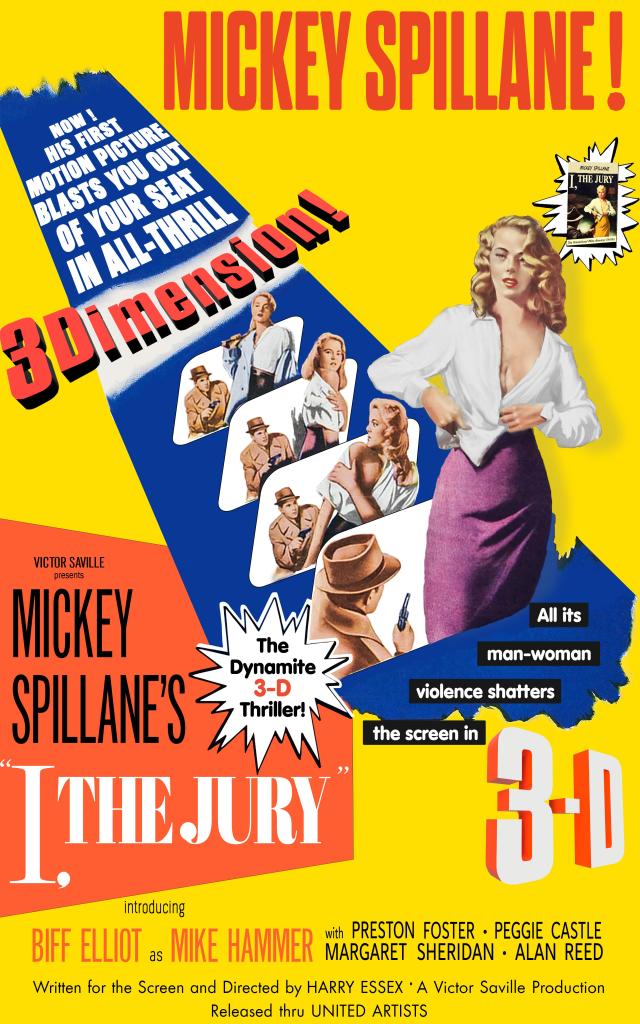
My pushy aunt realized my floundering ways and rescued me with books. She got her hands on the first two years of Fun With Dick and Jane, the books the Fort Worth school system used to teach kids to read; comic books would have to wait; Micky Spillane and Mike Hammer were calling me.
Aunt Norma quizzed me like a Perry Mason for a year, teaching me to write and read. By my sixth birthday, I was a reading Jesse, a child phenom, and a leper to my neighborhood gang. They could barely write and couldn’t read a lick of anything. Here I was, a young Shakespeare among a crowd of jabbering idiots.
Having given her parenting rights to her sister-in-law for a year, my sainted mother has now stepped in to reacquaint herself with her young scholar. I still couldn’t tie my sneakers and applied too much Butch Wax to my flat-top haircut. My mother was a hard-core Southern Baptist, and I didn’t understand why when I colored outside of her parental lines, she would cross herself and say a prayer right before she administered a righteous butt whooping with her favorite weapon; a 9inch by 12-inch Tupperware cake holder. To this day, I won’t touch a piece of Tupperware.
I was assigned a weekly Micky Spillane paperback and expected to read the entire book. Looking back, those trashy, noir detective books were not fit for a child or an educated adult, but Aunt Norma would read a book in 24 hours and was quite an educated gal. I didn’t understand most of what I read, but a few phrases stuck with me: “Is that a pistol in your pocket, or are you just happy to see me?” “A hard man is good to find?” Mike Hammer was always in trouble with a trashy broad. I shared my new vocabulary with the gang, and they dug it.
Mother started receiving phone calls from the other moms, blaming me, her little boy, for teaching their uneducated idiots smutty language. The Tupperware storage pan came out of the cabinet, and my butt burned for a week. Aunt Norma gave me Mark Twain and Huckleberry Finn to reprogram me. I dreamed of someday becoming Mark Twain, a kid with a Big Cheif tablet and a handful of Number 2 yellow pencils stored in a Tupperware container.
Polio was coming to get us: that’s what me and my neighborhood buddies believed. Our mothers could talk of nothing else but the dreaded affliction. My mother would check my temperature at breakfast and right before bedtime.
Fort Worth in 1956 was smack-dab in the middle of the Polio epidemic.
The walls, the baseboards, and every door handle were scrubbed clean. My mother had declared war on the Polio germ, and thanks to that, I didn’t see a swimming pool or movie theater for my entire summer vacation. We, kids, weren’t afraid of the Polio germ: we continued to share a cold Coke or a popsicle; swapping spit didn’t phase us; we had been exposed to every germ in the galaxy, so we figured we were immune.
Halfway through July, and being the hottest summer my folks could remember, a kid two streets over came down with the Polio. Of course, our mothers overreacted and quarantined us until it was deemed safe to venture outside. I knew the kid; his name was Jeremy Pullium, and he was in the fifth grade and played baseball on one of our city’s Little League teams. His little brother, Stevie, sometimes played ball with us and was an official gang member.
The neighborhood mothers thought visiting Jeremy and taking him some cupcakes would be nice. Mrs. Mister made the treats, and she and her two Poodles, Fred and Ginger, would accompany us on the visit.
A quarantine sign was stuck in Jeremy’s front yard, and another was on the front door. We were led back to Jeremeys’s bedroom, where Mrs Mister held the pan of cupcakes.
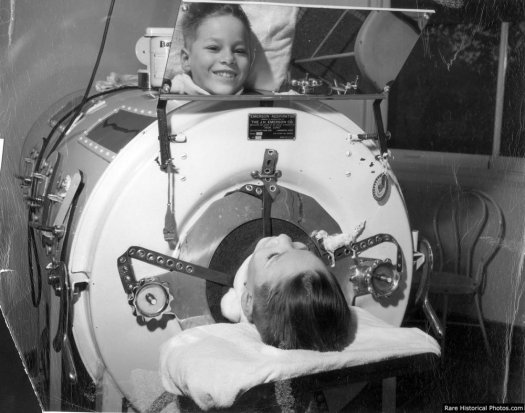
There was baseball-playing Jeremy lying in a large metal tube that took up most of the bedroom. He seemed happy to see us, even though he couldn’t escape his contraption. Skipper, our neighborhood wiz-kid, checked out the machine called an Iron Lung. We thought it was nifty. The cupcakes were passed around, and Jeremy’s mother fed him one with a fork. Everything but his head was trapped inside the machine. We didn’t get it; he could talk like nothing was wrong and move his head around, but the rest of him was paralyzed and trapped in the Iron Lung. Jeremy’s mother explained how the machine kept him alive by breathing for him, and the doctors said he might be in the lung for a year and was likely to recover.
On the way over to Jeremy’s house, Mrs. Mister warned us about being polite, and she meant it. All the mothers had deputized her, and she was allowed to administer a butt whooping if needed.
Georgie is usually the one that gets us in trouble; he can’t contain his mouth. Looking into one of the machine’s windows, he asks Jeremy,
” What do you do if you gotta pee or poop?”
Before Jeremy’s mother could answer the delicate question, Jeremy says,
” I just do it, and the nurse cleans me up. I don’t have to do nothing. Pretty cool.”
The visit abruptly ends. Once we reach the sidewalk, Mrs. Mister, using her open hand, pops Georgie upside his mouthy little head several times. We heard that later that day, Georgie got a well-deserved butt whooping from his mother while Mrs. Mister enjoyed a glass of iced tea and observed her technique.
My sainted Mother’s second cousin, Elfinian Keebler, owned one of the largest cattle ranches in Texas. Located between Mineral Wells and Ranger, Texas. It took four days to cover the width and another two days or so to ride the length. By Texas standards, it was a residential lot, but 3,800 acres ain’t what it used to be in the 1950s.
Elfinian’s daughter, Cookie, wasn’t into raising cattle, although she was the proverbial FFA queen. She had gone steady with every boy in high school and most of the ranch hands and had been riding horses since she could crawl. Her older brother, Chip, was a knock off the old Keebler block; he was a cowboy to the bone, raised on Roy Rogers and Gene Autry. His mama, Piddle, fancied herself as a debutant who married low and wanted her baby boy to be a doctor of some sort, but Chip was a dunce and had the IQ of a piss-ant: riding the range was about all he was good for, and his horse did most of the thinking. Cookie was the plucky little prickly one and decided she was taking the ranch in a different direction, creating a stink between her and Daddy Elfinian. Cookie wanted to raise Llamas and Highland goats. In Texas, anything but cattle and horses is considered blasphemy, and sheep and goats aren’t welcome except on the supper menu.
A year into her Llama plan, Daddy put the brakes on. One Hundred Llamas, forty donkeys to guard the Llamas against Coyotes, and half a dozen cow dogs to keep the donkeys under control were more than Papa Keebler could swallow. The donkeys and dogs had lost interest in the Llamas and had gone back to hanging out with the cattle. The critters were pretty, but they were no better than a cow: eat, spit, and crap.
A contingent of robe-wearing folks in limousines arrived at the ranch house on a Saturday afternoon. A realtor from Mineral Wells introduced them as followers of the Dalai Lama, most recently of Tibet, a tiny country in Asia. Elfinian had never heard of this Lama guy, but he invited them in for a set down, some of Piddles’s baked cookies, and a drink of Jack Daniels. The head robe-wearing spokesperson was the Dalai Lama’s sister, Deli Lama. She wanted to buy a piece of the Keebler Ranch so the Dalai could have refuge from the Chinese who had booted him out of Tibet, and he wanted to raise a Llama or some hairy sheep, his favorite spirit animal.
Papa Keebler sold the group three hundred acres, including the existing herd of Llamas and all the donkeys and cow dogs. It was a win-win deal. Cookie volunteered to help get the ranch workable and show the tinder-foots the art of Texas ranching.
Eight weeks later, the Dalai Llama arrived in a private helicopter, touching down on the new helipad next to the ranch house an army of Monks and Hari Krishna volunteers had constructed for his holiness. His sister, Deli, her daughter Carol, and The Keebler family were there to welcome him to Texas. He stepped out of the chopper wearing a white Stetson from Leddy’s Western Store over in Fort Worth. The multi-talented Monks also played many instruments, so they broke into a rousing rendition of San Antonio Rose and then The Eyes of Texas Are Upon You. The Dalai felt right at home and immediately asked for a “coldbeer.”
After an all-nighter traditional Texas BBQ and a dozen kegs of Pearl and Tibetian Beer, The Dalai Lama surprised everyone by mounting a horse at sunrise and touring the ranch with Cookie and Elfinian. He had picked up a pair of jeans, some Justin boots, and a 44 Colt pistol in Fort Worth, and like in the movies, he was itching to plug him some Hombres. He also had purchased a twin-engine Cesena T50 airplane like Sky King flew and wanted Cookie to be his sidekick. Elfinian managed to wrangle the pistola from the Dalai before someone wound up planted, and he damned sure didn’t want his daughter flying in a plane with this loco-Lama.
The Dalai’s sister, Deli, and her daughter, Carol, were huge fans of New York musicals, especially Carol Channing. Miss Channing was in Fort Worth appearing at the Casa Manana production of “Hello Dolly,” so the Dalai Lama arranged for Carol and the entire theater company to put on an open-air show at his new Llama ranch. A cast of a hundred, the orchestra and sets were delivered by trucks, rigged, and a portable stage was built near the Llama corral. Half the ranching community was seated on the tailgate of their pickups, beer coolers stocked with Pearl and Mama’s, and babies scurried around the grassy lawn in front of the ranch house. The sun went down, the lights came up, and Carol Channing, as “Dolly,” walked up to the mike and sang, ” Hello Dalai, it’s so nice to have you back where you belong.” This kind of stuff can only happen in Texas.
My first dose of old-time Texas religion came at six years old. Up until then, my sainted mother deemed me too young, fidgety, and stupid to grasp the complexity of the Southern Baptist philosophy. She was right, and I finally gave up when I became an Episcopalian.
The Polytechnic First Baptist Church in Fort Worth, Texas, was rumored to be the place to go if you wanted a direct line into Heaven. On Sundays, the pews were packed, and folks lined the walls while the children sat in the aisles. Christmas and Easter, the church opened its doors at daylight so the longest-standing members could claim seats. My father’s large extended family, around thirty members and their relatives by marriage and accidents, lived in Poly, and they all attended the PFBC, as it was called by the congregation. My two cousins and I, being the same age, were the newest lambs to enter the flock.
My first Sunday arrived in September of 1955, the week after my sixth birthday.
September weather in Texas is no different than August, July, or June: it’s miserable hot. Dressed in a heavily starched, long-sleeved white shirt, a kid-sized clip-on tie, black trousers, and shiny new Buster Brown shoes, I was a styling child and feeling pretty good about my debut. By the time my father skidded his Buick into the church’s gravel parking lot, my new duds were sweat-soaked, and I smelled like a beer-joint ashtray: our car had no air-conditioning, and my parents smoked Lucky Strikes two at a time. My sister was five months away from making her appearance, so my mother was chain-smoking for two.
Once in the church, my cousin Jock joined me, and we seated ourselves next to my mother so she could control our behavior with her patented one-eyed stare or a motherly, open-handed whack to the back of our flat-top-haircut-wearing little heads. She gave me a gentle swat before entering the church, just to let me know what awaited me if I acted like a fool.
Most of my father’s aunts and uncles took the first rows closest to the preacher. Their warped reasoning was that the closer to the pulpit and the preacher, the better the chance of forgiveness for last night’s debauched beer-fest and the slight chance of possibly slipping past the pearly entrance gate guarded by Saint Peter. They’ve all been gone for decades, so no one knows if their plan worked. The promised contact from beyond has yet to materialize.
My grandmother, her four sisters, and one brother were hard-drinking, two-stepping, championship-cussing Baptists and had no use for Presbyterians, Methodists, and especially Catholics. PFBC: Our church was so bright-white that you needed sunglasses to kill the glare.
The leader of our church, the exalted flamboyant Reverend Augustin Z. Bergeron, a transplant Cajun from Chigger Bayou, Louisiana, was a certified autograph-signing local celebrity. He wore expensive mohair suits from Leonard Brothers Department Store, retained a personal hair stylist who kept his wavy locks immaculate, and sported custom-made footwear from Larry’s Shoes. He was likely the inspiration for the outrageous 1950s ex-preacher turned comedian Brother Dave Gardner. The man commanded the pulpit and the stage like a Broadway entertainer. With a lighted cigarette in one hand and a Tupperware tumbler full of iced-sweet tea in the other, he paced and screamed like a detained mental patient, cursed the Devil and his minions, admonished the sinners in the congregation, strutted, shuffled, stomped, rolled on the floor, crawled on his hands and knees, and wept like a middle-aged housewife going through the change of life. The choir of big-haired ladies standing behind him punctuated every nuance with an “Amen, Hallelujahs, or Praise the Lord.” It was expected that two or three of the older singers would faint dead out during his sermon. It was cast in newsprint that if Reverend Bergeron’s bombastic sermons couldn’t bring a sinner to Jesus, no one could, not even J. Frank Norris or “By-Gosh” Billy Graham.
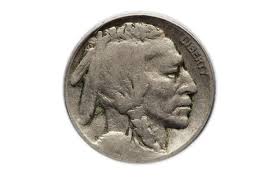
An hour into his fiery sermon, Reverend Bergeron took a potty break, and the ushers passed the silver plate down each row of pews. My mother gave Jock and me a nickel to contribute. I was reluctant to part with the change; a nickel was a lot of money, and by selling a few soda pop bottles, I would have enough for a Superman comic book. The plate came to me, and without hesitation, in went the prized coin: my first tithe. Jock dropped his nickel but pulled a sleight of hand and took a beautiful fifty-cent piece in exchange. Looking back, that might have been the start of his slide into petty crime that would find him, on his sixteenth birthday, a resident of the local detention facility known as “The Dope Farm.”
Our young lives took different paths: mine a bit boring but safe, and Jock’s loaded with excitement but long on trouble. I would like to believe that by giving up that coveted nickel, I was blessed with a thumbs-up from above.
Pictured is the infamous “Dope Farm” in Fort Worth, Texas. A facility built to house drug addicts and high-profile bad guys. If you grew up in Fort Worth in the 1950s, chances are good that your parents used this place as a threat to keep you in line.
My neighborhood buddies and I were a bit on the bad side; nothing severe, just minor kid things like blowing up mailboxes with cherry bombs, setting garages on fire, raiding the milkman’s truck while he was taking the bottles of milk to a doorstep, dropping firecrackers down rooftop vents, fun little things like that.
These minor infractions usually ended with one or all of us getting a butt whooping with a belt, flyswatter, Mimosa tree switch, a tennis shoe, or a Tupperware cake pan. The Tupperware hurt more than any of the other weapons our mothers could find. When our hijinx got to be too much, our mothers would pull out the dreaded threat of “Okay, that’s it, either straighten up or I’m sending you to the Dope Farm.” That’s all it took to turn us into practicing angels for a few days. All the kids knew about this place. The narcotics users, gangsters, and local children who misbehaved went there. None of us actually knew anyone who had been incarcerated within those walls, but the thought of going there scared the liver out of us.
In the late 1950s, a cousin of mine turned into a genuine hoodlum, robbing a grocery store dressed up like Mr. Greenjeans from the Captain Kangaroo show. Greased back hair, black work boots, dirty Levis, and a white tee-shirt with a pack of Camels rolled into the sleeve, and he rode a junked-out motorcycle. When my mother spoke of him, she crossed herself. My poor cousin was added to the ever-present threat because he spent a year of his teenage life at The Dope Farm, living in a small cell, eating Wonder Bread and Bologna samwithches, and watching the old movie “Boys Town” every Saturday night. There wasn’t a Father Flannigan on the premises, only guards with guns and a Baptist preacher.
I was pretty good for a year while my cousin was locked up. We received a Christmas card with a picture of him dressed in his striped pajamas, slicked-back hair, and a Camel dangling from his snarly mouth. All this while perched on Santa’s knee. It was a nice little card, similar to the ones we made in school from construction paper and paste. Some bad words and threats were written below the photo, but my mother wouldn’t let me read them. She cut the bad word part off and taped the card on the ice-box, so every time I opened it, the threat was there, and it worked.
The only kid, other than my hoodlum cousin, who was dragged off to the place was our baseball team center fielder, Billy Roy. Billy started hanging out with our nemesis across the track, The Hard Guys, and became a regular James Cagney by the fourth grade, robbing a local convenience store with a Mattel Fanner 50 cap pistol. You guessed it, he went to the Dope Farm for six months. He learned some good stuff there because when he came out, he went directly into a lucrative life of hoodlummanity and crime. Last I heard, he was in Sing Sing.
A shot of the crowd at Texas International Pop Festival, August 1969. The promoter, Angus Wynn, thought it would be a great idea to have a Yogi or a Swami to lead the crowd of zonked-out teenagers in an hour of Transcendental Meditation since it was the most recent in-crowd thing to do thanks to the Beatles and the Beach Boys who hung out in India with the famous Maharishi Mahesh Yogi Jr. He got a discount on a guy out of Deli, India, who was working in a sub sandwich shop in Brisbane, Australia, but was once a revered holy man in his home country. After a crazy hot night of music that lasted until after midnight, the Maharishi O Mah-ha-Ah-ha took the stage with a sitar player and three nude women beating on tablas and tambourines, all sitting crossed-legged on a rented Persian rug from AAA Furniture Rentals. The crowd, still suffering from the after-effects of too much pot and the brown acid that Wavey Gravy warned them about, eventually got into the groove. After an hour of chanting mantras, swooning and swaying, and all that middle eastern crap, the Maharishi passed hand-woven Indian baskets through the crowd asking for donations. What the good Ah-ha didn’t realize was that even though the young folks were long-haired, dope-smoking teens, they were Texans, and most of them owned shotguns and rifles and drove pickup trucks. Tithing was meant for Sunday church only, not some dude in a robe with a red dot on his forehead. The poor Maharishi was last seen tied to the front fender of a GMC pickup loaded with long-haired hippy Texans shooting their shotguns into the air while speeding down I-35. Best not to “Mess With Texas,” which is where that famous saying was born.
My late cousin, Velveteen, and her late husband, Zig Zag, came up with this idea for a hippy-only tea bag while living in a commune in the mountains of New Mexico. Since they enjoyed sitting around all day doing nothing, they figured why not let the rest of the regular folks enjoy their lifestyle, too. The tea, with its mystery ingredients, was a hot seller for a while until Lipton caught wind of it and sued them into the next galaxy.
My late cousin, Alice, was the only waitress at Woodstock in 1969. She and Wavey Gravy came up with the idea to serve all the attendees breakfast in bed, but she was the only member of the Hog Farm lucid enough to work. When asked how the gig went, she said, ” I didn’t make a cent in tips, damn Hippies don’t have no money anyway.” She met Arlo Guthrie backstage and married him the next day during a Joe Cocker set. They later opened a famous restaurant in upstate New York, where you could get anything you wanted at Alice’s restaurant.
My late cousin, Chumly, is pictured above after he found his calling in shark training. Steven Speilberg employed him to wrangle his pen of sharks used in the movie Jaws. This is the last photo of Chum after he thought he had made friends with the lead shark. The only parts of Chum recovered were the sneakers and sunglasses.
My mother’s late uncle Zap was considered the inventor of the family. His most famous contribution was the ” Home Personal Hair Removal Wand,” which was the forerunner to Nair and other hair removal products that became household staples in the 1950s. Zap and his lovely wife, Yippie, a Harpers Bizzare hair model, are pictured here, demonstrating the device for the Fort Worth Press in their backyard pool in 1957. Her hair from the waist down was zapped away, but when she fell backward into the pool, she was rendered bald as a cue ball. The divorce came shortly afterward.
Pictured above is my cousin’s niece, Fifi, who, since the age of 16, has identified as a dog. After years of expensive therapy, her parents gave in and presented her with a custom-made Serta dog bed. The last report is that all was going well except for letting her out to pee twice a night and holding an umbrella over her when it’s raining.
Pictured above is my grandson’s Boy Scout Troop 33 1/3 of the Texas Longhorn Division, arriving at the Texas/Mexico border to support the National Guard. After arrival, they were issued Daisy BB guns and a towsack full of chunkable river rocks to fend off the invaders. Jesus Navidad, an illegal, after crawling through the razor wire, said, “Those Boy Scouts are mean little shits, and man, those BB guns and rocks hurt, I texted all my relatives and told them to stay home until they can catch a free flight to New York.”
My childhood neighbor, Mrs. Mister, in 1956, posing for the Fort Worth Star-Telegram after becoming the only female swimming instructor at the parks and recreation’s Forest Park Pool. Swimming lessons hit an all-time high that summer and the pool had a record year. I’m the goofy kid, bottom right, second up behind our right fielder, Rhonda.
Pictured above, around 1954, is my neighborhood milkman, Mr. Rock Pint. He was a swell guy who gave all of us kids free chocolate milk and ice cream sandwiches during the hot Texas summers. All the moms loved him, and many of the younger kids resembled Mr. Pint; must have been something in the milk?
Pictured above is a crowd photo from the Texas International Pop Festival, August 1969. I am in the center of the crowd, about thirty people back; Momo, my wife, is just to the right of the center, about forty people back. My buddy, Jarry, is the blond guy with the severe sunburn that required hospitalization, but the paramedics wouldn’t transport him until the Grand Funk Railroads set was over. I survived one-hundred-degree temperatures for three days and got to meet Janis Joplin one late night when this nice gal with a Texas twang asked me if she could cut in line as I was waiting to buy a hot dog. It took a minute for me to realize it was her, but I was cool; it was the sixties, man. That night, ole Janis “took a little piece of my heart, now baby.” Momo and I still get a good laugh and a few wheezes when we revisit those times. Our children and grandchildren will never be as cool as we were.