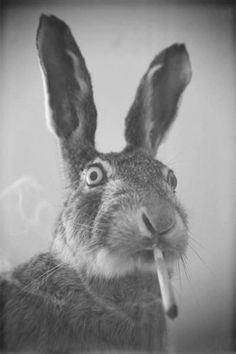
Jesus Got A Mainline..Tell Him What You Want


Southwest Texas in the 1930s was its own special kind of hell. It wasn’t better or worse off than most of the state, but it was way out yonder and then some. Most Texas folks never ventured that far.

You could find a hundred preachers and ask them if God was punishing Texas farmers, and they would all praise the Lord and tell you times are hard, but we are blessed. Preachers back then were good at blowing smoke up folks’ backside, and then blessing them after the plate was passed.

One main highway, US 377 from Fort Worth, led to Stephenville, Dublin, Brownwood, Coleman, Santa Anna, and on to San Angelo, then farther out to desolate West Texas and the Chihuahuan Desert Big Bend. Small crop and cattle farms along the route, made up of God-fearing, gun-toting, worn-down, and dirt-poor families, faded into heat waves and obscurity as the fence post clicked by. The WPA was new to road and highway repair. Craftsmen and skilled labor were scarce, and what was available was assigned to building and repairing buildings, schools, bridges, and parks. The last place our government wanted to send its money was to the South to make living conditions better for poor southern white folk. Not much has changed in Washington, but we folks in Texas figured it out.

My grandparents, during those years, were cotton farmers in Santa Anna, Texas. A good crop of anything was a dream, a decent one, a miracle. Johnson Grass and Thistle Weed ruled the rows, and if a family could keep them at bay, a sellable crop of cotton might be picked: that’s if rain fell, and like miracles, there wasn’t much of either available.

My mother, Mozelle Manley, one of four children, lived on her parents’ farm and suffered through those hard-scrabble times. These are her recollections as told to me over many years. Sometimes over a glass of wine, or a late-night conversation, or just a visit while she prepared dinner. She didn’t keep a diary or put her thoughts to paper, but she was exceptional in her oral history, and I, if nothing else, was a devoted son and an apt listener.

Around late September, the cotton was getting ripe for picking. My grandfather, a miserly old goat, used his children as unpaid farm labor, which was the custom back then: the more kids you had, the less labor you paid. My mother, a delicate young girl, wanted to write poetry and stories, but her pen was the wooden end of a hoe, chopping weeds in the cotton rows. I learned this after I was an adult in my forties, and she finally gathered the courage to tell me about her childhood years. I played the part of the good son, listener, and historian.

Pickers would come to their area around harvest time to pick the cotton for the families they knew needed the help. They mainly were black folk from around San Angelo, or farther west. They had their own farms, but could make a good buck picking sacks of white gold, enough to hold them over for the winter months and beyond.

One family would come to Santa Anna every year: a large black family from San Angelo. The patriarch was an old snow white haired man folks called “Preacher.” He was an actual certified man of God with his own small country church, but had a passel of kids that worked to keep the family afloat. My grandfather never knew much about the man, or the brood, but always paid them in cash money, and trusted him enough as to not quibble over the weight or his sacks of cotton weighed at the gin at the end of each day. Preacher always said he had a “mainline to God.” No one doubted that, ever. You could see it in his eyes, his face, his demeanor, and his spirit that traveled with him like a treasured handbag. Men of God have a discerning spirit and a glow about them, even in the dark of night.

Every summer, my mother and her siblings would chop weeds in the cotton rows. Pesky little growths that kept the poor soil’s nutrients from feeding the precious cotton bolls. By harvest time, the entire group of children was worn down to a nubbin and ready to catch the first hobo freight out of town for Fort Worth or Dallas. My grandfather was a hard-assed father who used his children as day labor and often treated them the same way. In his later years, he found Jesus and softened a bit, but only enough that you could spread his soul like hard butter on a two-day-old biscuit.

Preacher and his family would show up about the time grandfather was pacing the wood off of the back porch floor. They would pitch a few tarp tents, sleep in his barn and eat a few of granny’s five-hundred or so Chickens. The cotton was picked, weighed, and the Preacher and his clan got their cash and went home to San Angelo and their church. This went on for years, maybe a decade or more.

As my mother and her siblings aged and graduated high school, they knew what they must do: leave the farm to forge a life for themselves. My uncle joined the Navy, fighting in the Pacific theater against the Japs. My mother and her two sisters caught the train to Fort Worth and built bombers and fighters in the aircraft plants for World War II. The days of free labor were over, and grandfather switched from cotton to maze, corn, and Johnson grass for hay. Preacher came back once, but seeing that the end was there, never returned. He knew the things that could kill a family’s spirit, and he didn’t care to see this one end. He truly had a mainline to God. I found it amazing and yet amusing what a few glasses of wine and a few hours with my mother taught me about her family.

Having a mainline to God is a special gift. My mother knew this and always kept Preacher in her prayers and thoughts.

Sharing My Desktop Challenge 10.15.25


Many years ago, as I was starting my landscaping and building my side yard fencing, the Polar Vortex, which caused temperatures to drop to -2 degrees for many days, accompanied by ice and snow, took out many of my plants, and I had to start over.

The Polar Vortex arrived.

The disgusted gardener having to start anew…

The Neighborhood Wizard Strikes Again!


I wrote this story a while ago, but in recognition of the upcoming Colonial Golf Tournament, I find it fitting to republish it. Some, or most of my readers, think the Misters are a fictitious couple; I can assure you they were neighbors and as crazy as I portray them in writing. Most everyone recalled has passed, so I’m sure they won’t mind the praise.

Mister Mower 5000

I have written about my childhood neighbor and his wife before. Mr. Mister and Mrs. Mister of Ryan Ave, Fort Worth, Texas. Every kid should be so lucky to have known the original mad scientist.

Pictured above is Mr. Mister’s early prototype of “The Mister Mower 5000,” a self-propelled riding reel mower suitable for golf courses and yard snobs. This baby was something else.

Constructed from junk jet aircraft parts he pilfered from Carswell Air Force Base, his employer, this little hummer would reach a top speed of 20 miles per hour and cut the grass so low it would give an ant a flat top haircut. It was the first riding mower with a zero-turning radius, a drink holder, an ashtray, and an under-dash air conditioner taken from a wrecked Chevy Impala. The fathers in our neighborhood would gather and watch when Mr. or Mrs. Mister would mow their front lawn. Mrs. Mister was a Hollywood starlet type, so she usually drew the largest crowd because she always wore a bikini bathing suit for maximum tanning effect.

In 1956, sales of Toro lawnmowers were sagging. After learning of Mr. Misters’ new invention, the executives arranged a demonstration at the Colonial Country Club of Fort Worth, home to the prestigious Colonial Golf Tournament. Mr. Mister was ecstatic.

The demonstration was the day before the big golf tournament, so the Fort Worth bigwigs could attend and be handy for photo-ops. The Misters arrived with the “5000” strapped to its custom-made trailer towed behind their menstrual red Alfa Romeo sports car. Fred and Ginger, their poodles, were strapped into their car seats, wearing head scarfs and sunglasses like Mrs. Mister. Ben Hogan was almost as impressed with the invention as with Mrs. Mister, so he asked if he could be the first to drive the contraption. Of course, Mr. Mister, a slobbering Hogan fan, agreed and instructed Mr. Ben to operate the mower. Remember, this machine was experimental and could fail completely at any moment.

The mower was rolled into place on the 18th green, which was a bit shaggy and needed a buzz. Ben Hogan seated himself on the machine with his ever-present cigarette in his mouth. Mr. Mister set the required mowing height and gave Ben a few final instructions, but Mrs. Mister was standing next to Ben, who was transfixed on her copious appendages and didn’t hear a word of instruction.

Now, Ben Hogan was the world’s best golfer, but he didn’t know Jack-squat about driving or operating machinery. So Ben put the mower in gear and started around the green. “Ooohs and Ahhhs” from the crowd gave him a bit of encouragement; the newsboys were snapping some great shots, and folks were clapping and whistling, so he upped the speed a bit and pulled a lever underneath the seat, hoping to increase the efficiency of the “5000.”

At that moment, Mr. Mister realized that he had failed to warn Ben about that one lever that was hands-off. Too late. Ben engaged the “Scalp” mode, which increased the power and lowered the blades to the “Eve of Destruction” setting. At twenty-five miles per hour, the “5000” and Ben Hogan holding on for his life, dug up the 18th green deep enough to plant summer squash and Indian corn. Dirt and dwarf Bermuda was flying like a Texas twister. The Leonard Brothers, part owners of the club, fainted in unison. Mrs. Mister, a track star in her early years at Berkley University, and still in great shape, sprinted to the runaway mower and leaped onto Ben’s back, hoping to reach the kill switch, another part Mr. Mister had failed to show Ben.

Mrs. Mister

Mrs. Mister finally attempted to reach the switch by climbing over Mr. Hogan’s head and wrapping her track star legs around his neck. Finally, on her last effort, she got the toggle, and the mower abruptly stopped, throwing her and Mr. Ben off the machine and into the beautiful pond adjacent to the green.

Ben waded out first, bummed, lit a mooched Camel, and strode across the destroyed green to the bar, where he ordered two double Scotches. Mrs. Mister, wearing a promotional white tee shirt with ” The Mister Mower 5000″ printed on the front, waded out of the pond to a round of applause. The news photographers were popping flashbulbs like firecrackers.

Of course, Toro passed on the mower, and Mr. Mister was distraught until he started his next invention. The 18th green was re-sodded in a few hours, Ben Hogan won the Colonial Tournament, and Mrs. Mister inaugurated the first Wet T-shirt Contest in Texas.

Invasion Of The Murder Hornets


Murder Hornet 1

While watering my landscape this morning, I heard a loud buzzing sound radiating from a Salvia bush. I part the leaves searching for this buzzing source.

Bingo, attached to a branch, is a Murder Hornet. I have a picture of the little beast on my refrigerator for identification, since I knew they were heading my way. The Farmers Almanac said they would make Texas by late spring, so the magazine was correct for once.

Why are all pandemics, poisonous foods, pharmaceuticals, and end-times monsters originating from the Asian continent, mainly China?

It’s a laundry list of evil mutants starting with Godzilla, Mothra, Son of Godzilla, King Kong fighting Godzilla, Giant Transformers, The Corona Virus, The Asian Flu, The Bat Flu, the Pig Flu, the Bird Flu, and now hornets with the face and murderous attitude of Charles Manson.

Fearing for the lives of my Bumble Bees, I spray the Murder Hornet with a substantial dose of Black Flag. It flaps its wings a few times and buzzes at me. No effect whatsoever. Okay, this mutant is chemical resistant and knows what I look like and where I live.

I retrieve my 1966 era Daisy BB Pistol from my work shed; old school tactics are now on the table.

I sneak up to the Salvia bush and spread the branches enough for a clean shot. There it sits with a Bumble Bee in its grasp, stinging the life out of the poor pollinator. I see a dozen more casualties on the ground below the plant—Satan with wings and a stinger. This monster has to go to La La Land now.

The first BB bounces off the buggers’ armor plating, putting a hole in my den window. There goes $300 bucks. Now it’s personal. The second and third shots wing the critter, and now it is insanely mad and buzzing like a chainsaw.

With only two BBs left in my pistol, I go for the kill shot to the head. I take my aim and begin to squeeze the trigger. The murderous thug-bug looks up at me with its Charles Manson eyes, and a shiver runs up my spine.
” Go ahead, kill me if you must, but I have friends that will track you down.” It’s look says it all.

I take the shot, and the invader falls to the ground, headless. The Bumble Bees, sensing victory, swoop in and finish the killer off. Payback for their fallen brethren.

I retrieve the dead hornet from the bush with a pair of Martha Stewart grilling tongs and place it on my backyard retaining wall. A few squirts of charcoal lighter fluid and a wooden match complete the deed, and the bad-ass bug is on its way to hornet Valhalla.

My wife walks up and says, ” so, you got him, good job. Look at these cute little packs of Chinese seeds that came in the mail just now.”

A Garden of Memories: My Time with Mr. Cohen


I met Mr. Cohen in the fall of 1958.

After spending two hours rummaging through a vacant lot along Morningside Drive, I’m dragging my rusted and barely operable Western Auto wagon full of discarded soda pop bottles home for counting. Redeemable for 2 cents each, the glass containers will yield the change I need for a few Moon Pies and perhaps an RC Cola, readily available at our neighborhood grocer.

Unfortunately, money for me is scarce. When I asked for a dime or even a few pennies, my parent’s stock answer was, “money? kids don’t need money. What in the world will you do with money? Go out and play.” As a result, I am habitually broke and maybe the only kid I know with an empty piggy bank and lint-filled pockets.

Three houses away from home, a stout man in white tee-shirt plants himself in front of my wagon, blocking the sidewalk and my path home. He is not a large man, and his manner is more friendly than intimidating.

I’ve seen him a few times before, mowing his grass, trimming a bush, or sweeping the sidewalk in front of his tidy home, which happens to be the envy of our block.

A black Buick sits in his driveway. A banker or a young doctor’s car if they can’t afford the required Caddie. Professional folks drive Buicks; the rest of the peons must drive Fords or Chevrolets, or in the worst case, a Plymouth or Studebaker. My family owns a Chevy, and my grandfather a Plymouth. One of my cousins drives a Corvette with factory air conditioning, but he is single and spends money like a sailor on shore leave.

The man extends his arm with a large hand attached. I lack proper adult protocol and stare at his appendage like a moron. It takes a moment to realize his intention, and then I reluctantly put my small hand in his. We shake hands, and he introduces himself.

Milo Cohen is the first adult male to shake my hand.

Unfortunately, my father or grandfather hasn’t found the time to educate me on the social requirements of impending manhood, so I am young and culturally ignorant. Until this time, my contact with the adult world has been limited to a few of my parent’s friends, my baseball coach, teachers, and relatives who view me as a noisy nuisance to be constantly reprimanded. At that moment, I grow up a little.

Mr. Cohen makes pleasant talk about the neighborhood. He and Mrs. Cohen have lived here for the past 8 years since they came to Texas from the old country. He speaks with an accent I’ve not heard, so I imagine he is not from Texas.

My collection of throw-away bottles catches his attention. I tell him it’s my way of making a bit of change for Saturday movies or a Moon Pie. He nods as if he understands my predicament, then excuses himself and walks to his garage, returning with a wheelbarrow full of empty soda pop bottles. There must be a hundred bottles stacked in rows upon rows. Coke, Pepsi, Dr. Pepper, Grapette, RC Cola, and Frosty root beer; all the best brands. Mr. Cohen says he has been saving them for years, and I could make better use of them. He graciously gifts me his collection of classic bottles.

Dumbfounded and grateful, I struggle to find my voice and finally manage to spit out a squeaky “thank you.” He accepts my awkward attempt, and we are immediate friends for life.

The following Saturday, I notice Mr. Cohen trimming the bushes in front of his house. I walk down for a visit, assuming that we are now friends and I can come onto his property uninvited to pester him. Instead, he welcomes my presence and appears to enjoy my childish questions. ” Why do you cut some of the roses off and leave the others?” I ask.

He explains, ” I cut the spent and almost spent blooms off to make room for the new ones. Always break apart the old blooms and throw the spent petals onto the ground because they become fertilizer for the plant.” This bantering about pruning goes on for a while, then we are on to other botanical mysteries. For example, I had no idea that the angle a stem is pruned reflects rainwater and deters rot, and cut correctly, it will coax the branch to grow in a specific direction. Finally, he asked me if I would care to learn more about plants? I accept his offer. Lifes education comes in different forms, at the most unusual times.

Mr. Cohen’s landscape is a picturesque postcard of beauty, and not by accident. His story is, as a boy, back in the old country, he learned the care of plants and all things botanical from his mother and father. But, unfortunately, he doesn’t say where the old country might be, and I am too polite to inquire.

My Saturdays and some Sunday afternoons find me at Mr. Cohens, assisting him with his gardening. But, unfortunately, I feel that I am more a hindrance than a botanical apprentice.

After a few weeks of instruction, he gives me an older pair of rusted pruning shears, warning that they are sharp and will lop off my finger if not used properly. Under his guidance, I prune my first bush, an Autumn Rose Salvia that has become unruly and obstinate. An hour goes by, and I finish the task. Mr. Cohen tells me it’s one of the better pruning jobs he has seen in a while. I know it’s a little better than a hot mess, but I smile like a drooling fool. “Next week,” he says, ” we will tackle a pithy Pitisporum.” He assigns human traits to his plants. Odd, but I like it.

A week before Halloween, my grandfather passes away. It was expected to happen sooner than later. Mustard Gas from the First World War is the likely reason for his cancer, says the doctor at the VA Hospital. No cure; his days were numbered from the moment he inhaled the gas. The trenches of France offered no retreat.

It’s my first funeral, and I don’t know how to grieve as expected. My grandmother and relatives are professionals; they should be paid for their performance, wailing and thrashing about sporting contorted faces for days. I feel the loss of his presence, but I can’t find a tear to shed.

Mr. Cohen, with my assistance, plants a Gardenia bush in our front yard in memory of grandfather. Then, Mrs. Cohen delivers a large basket of comfort food and a bottle of wine to our household. She tells me it’s what is done in the old country. Food for the comfort of the soul and wine for soothing the spirit. Her accent echos Mr. Cohens. She is a kind lady with sad brown eyes and unruly hair.

While digging the hole for the Gardenia bush, I notice a series of crude black numbers on the inside of Mr. Cohens’ left forearm. I’ve seen him with dirt to his elbows and never noticed the numbers before. It looks to be a tattoo. So, I ask him what they mean. He pauses momentarily, then says, ” those numbers are my phone number, so in case I am run down by a bus, the authorities will know to call Mrs. Cohen.” Makes perfect sense to me; everyone should be so considerate.

A few days later, I mentioned Mr. Cohens’ tattoo and his explanation to my father. He laughed, then took a moment and sat with me on the back porch steps, something he rarely does.

“Mr. Cohen,” he says,” is, from what I hear around the neighborhood, is of the Jewish faith. Before, and during the war, the one that I fought in, the Nazi’s incarcirated many millions of men, women and children in camps across Europe. They were treated horribly. Most died, but a few managed to survive and come to America to start a new life. I believe the tattoo on his arm might be his identification number. It will always be with him as a reminder.”

I know nothing of the Jewish faith, or the Nazi’s or of camps. However, public schooling teaches us about the Alamo and the Revolutionary War and not much about recent history. I know just enough to embarrass myself now, so I pledge not to question Mr. Cohen further. I am sad to know my friend endured that treatment. The adult world is a cruel one. I wonder if there is a way I can remain at this age forever?

Thanksgiving arrives with bitter cold and sleet. The trees drop what leaves remain, and Mr. Cohens’ landscape, within a few days, turns from green to hues of gold and brown. Winter is early this year, and my botanical apprenticeship is paused until next spring. He gives me a binder of handwritten gardening instructions to study. His book is much more challenging than any from school. I vow to be ready when March arrives.

Ten days before Christmas, and I have not seen Mr. Cohen. His car has not moved from its usual spot in his driveway. At night, there is one light burning in the kitchen. The rest of the house is dark and lonely.

One afternoon, after school, I knocked on their door. Although it is bitter cold, Mr. Cohen answers but doesn’t invite me inside. He says Mrs. Cohen is ill and needs her rest. I ask if there are any chores I can help with? He says removing and hauling the remaining leaves to the backyard compost pile would greatly help. He pays me a new quarter, knowing I am suitable for the work. I notice his eyes are rimmed with dark blue circles, and the pallor of his skin reminds me of my grandfather’s last days.

Christmas Eve arrives, and there are snow flurries in the air. Father stands on our front porch, smoking a cigarette and checking the weather. He finds a small wrapped package leaning against the front door jamb. It’s for me.

The Cohens gave me a shiny pair of pruning shears and leather yard gloves. I feel bad because I slipped a rather childish Christmas card that I made into their mailbox, being all I could afford. Crayons and construction paper only go so far. From what I am told, it’s the thought that counts. I need more soda pop bottles.

New Year has passed, and I have still not seen Mr. Cohen. School is back in session, and I am distracted by my studies and homework. But then my mother told me there was an obituary in the newspaper for Mrs. Cohen, and her funeral service was a few days ago. Why did I not know this? I am crushed.

I take my pruning shears and gloves and retreat to the front porch steps. It’s a bitter day, and my jeans do little to protect my rear from the cold concrete. But I am already numb, so it doesn’t matter.

The tears that couldn’t be found for my grandfather now flow for Mrs. Cohen and then for other things as well.

I cry for my sweet dog that my parents gave away when we moved without telling me. I call for my dead puppy. I yearn for my old neighborhood and my friends and home that was taken from me without explanation because my parents planted me in this hell hole of a neighborhood. I cry angry tears for my treatment from the snotty rich kids at my new school who called me white trash because I have patches on my jeans and an old winter coat. It all comes out at once. Finally, my final tears flow for my friend Mr. Cohen, who I know is suffering from a broken heart, and there is nothing I can do to help him.

At the end of February, I visit Mr. Cohen. He asks if I have studied my notebook and am I ready for spring gardening? Of course, I reply yes on all counts. It’s good to have him back, and I am happy to resume my newfound craft.

The weather is still cold, but there are woody shrubs to prune, flower beds to turn, mulch and compost to spread, and bulbs to plant; it’s an overwhelming task, but I enjoy every minute. My mentor noticed my happiness, and in return, it made him proud. He is back to his old self as much as he can be. March is a week away, and spring will not wait for dawdlers. Green blades of grass are poking up through his brown lawn; we had best hurry up.

April comes, and spring explodes. Mr. Cohen’s landscape, with my help, will have an award-winning year if he chooses to seek recognition from the Botanical Society of Fort Worth, but he is a shy man and doesn’t require accolades for his passion and craft. So, I, too, now share that passion.

In June, my parents announced that we were again moving. This time to Wichita Falls, Texas, not quite the end of the world, but almost halfway there. My father is starting a new career building homes and will no longer be a professional musician. Once again, within a few years, my life will be uprooted and thrown to the wind. I have no say, so I offer no resistance. It will be good to be away from that hateful school and this part of Fort Worth. I spend as much time with Mr. Cohen as possible, helping him with chores and tending his landscape before we leave.

Moving day arrives, the truck is loaded, the doors locked, and we follow the moving truck out of town. I said goodbye to Mr. Cohen that morning. He gives me additional pages for my notebook, his address if I find time to drop him a line, and his phone number if I ever get in a jamb. We shake hands, and I am gone.

A decade passes in what seems like a matter of months. I have graduated high school and live in Plano, Texas. My father is a successful home builder, and those miserable days in Fort Worth seemed a lifetime back. There is a family gathering in Fort Worth, and I take my own car, so I might leave early and visit Mr. Cohen. There were a few Christmas cards over the years, and then correspondence dwindled. I got older, and so did he.

When I pulled up in front of his home, I knew Mr. Cohen didn’t live there. A Volkswagen Bug and a station wagon are in the driveway—no black Buick. The landscape still looks cared for but is many steps below Mr. Cohen’s standards. The house trim is a different color. The large Sycamore tree in the yard is gone. But it was bound to happen.

A woman answers the door. She looks to be in her early thirties; I hear children from somewhere in the house. Her husband joins her. I introduce myself, explaining that I lived a few houses down for four years and was a good friend of Mr. Cohen, the original owner. The couple has lived in the house for five years and purchased it from Mr. Cohen’s estate. That explains the cease in correspondence. Unfortunately, Mr. Cohen is no longer alive.

The woman leaves and returns with a binder full of notes. A book much like the one I have. It seems Mr. Cohen left specific written instructions, with notes, letters, and sketches, for whoever buys his home. The new owners will care for the landscape for a minimum of five years, following his instructions in the book to the letter. The man says my name is mentioned many times in the book and that I was Mr. Cohens’ only apprentice. I felt they were fishing for a compliment, so I stretched the truth a bit and said, ” the landscape looks beautiful; I’m sure Mr. Cohen would approve.” It was a little more than a hot mess. The both of them smiled like drooling fools.

Moving To A Place Where No One Knows My Name


Not Momo or Me or a celebrity

Don’t misunderstand me; Momo and I are happy with the election result. I feel bad for all the self-serving celebrities who publically promised to move from this country because of the election. Where will they go? Canada or Europe may be their only hope for survival. If they were smart, and there are plenty of them that are not, they would seek to find the magical land of Nirvana. You know, the elusive country hidden in the Tibetan Mountains, a stone’s throw from Xanadu, which would also offer a safe harbor.

Of course, there would be drawbacks. The Monks who run these places don’t care much for Hollywood folks. There wouldn’t be movie studios, movie houses, fancy restaurants, Mercedes dealerships, or elections. In fact, there would be no work for them at all except for pruning the bushes and flowers. They might find true inner peace and illumination by spending the rest of their days there, wearing a flowing white robe as they stroll the mystical gardens accompanied by a mystical grasshopper.

Momo and I gave it some serious thought. Moving to Nirvana or Xanadu sounds warm and fuzzy, like new Christmas pajamas. After many nights of kicking the idea around, she announced that there is no way she can move to a place that doesn’t show “The Wheel of Fortune” and doesn’t have her H-E-B.

Deep Thoughts From The Cactus Patch


Something to ponder: how did the Kardashians wish their father a happy Mother’s Day? It must have been uncomfortable.

How often does Doctor Jill check the president’s diaper?

Momo and I are going to Colorado Springs next week to see family, and she is selling her custom purses in a craft show over Memorial Day on top of Pikes Peak. The problem is that she is afraid of heights and mountains, so I will have to knock her out with a pill, drive her up to the top, and then give her another pill to wake her up. Then, repeat the process to take her back down. Hope she sells some purses in between.

It’s been a rainy week in the Cactus Patch garden. My plants are now at the “Plantzilla” stage and need trimming. Things are improving; I was stung by bitchy little bees twice and bitten by spiders of an unknown origin a few times. Now, I’m waiting for a snake bite to complete the circle. Just part of gardening in the Texas countryside.

The bird-feeding area is now a combat zone. Two flat feeders and a plastic rooftop one, and yet they fight over seeds. The Doves used to be the bully-birds, but now the Crows have claimed that title, pushing everyone around. Now, there are two Squirrels, likely siblings, that visit and eat the Peanuts that the Crows and Bluejays love and the Crows attack the Squirrels, who in turn flip the feeders and scatter the food on the gravel. The poor Cardinals and the other species sit in the trees and watch the battles. No one is starving yet, but with food as costly as a car payment, they soon may be eating bugs and wooly worms, which have invaded my landscape by the hundreds. I may catch a jar full of them and dump their wooly little selves into the bird feeders. Much healthier than all those sunflower seeds.

Death By Hot Pepper


I am not a food critic or a reviewer, so forgive me if this sounds a bit over the top; true accounts usually do.

Some years back, I was tinkering around making a hot sauce or a salsa for my consumption and gastronomic distress. A buddy of mine who served in Vietnam suggested I use one of the peppers he smuggled back to the States in 1970 and has, for decades, grown them in his backyard garden. Sure thing, I would love to use them. He warned me they are the hottest peppers on earth, and a grown man would die within twenty minutes if he ate a whole pepper. He saw a chicken eat one, and the poor bird exploded into a mass of feathers and guts within a few minutes.

A few days ago, he brought me one small pepper and said it was all I would need. It was triple-wrapped in foil, double-bagged in heavy-duty Ziploc bags, and transported in a soft-walled Yeti cooler.

“Why all the elaborate precautions?” I asked.

” He looked a bit nervous as he handed me the bag and said, ” These babies are so damn hot that even breathing or smelling them will singe your lungs, destroy your sense of smell, and might make you blind.” Now I’m scared.

Written on the baggie is the name of the pepper, “Vietnamese Death Pepper.” The name alone is enough to scare the liver out of me, but being a man and not wanting to disappoint my buddy and look like a pansy-ass, I proceeded on.

The cute little Vietnamese Death Pepper

I gingerly removed the foil-wrapped pepper from the baggies, took it to the back patio, positioned myself upwind, and unwrapped the foil cacoon. There it lay, a small, harmless-looking red pepper about the size of my pinky toe. It was quite beautiful in its own way. My buddy said to wear gloves when handling the little demon and to use only a tiny sliver in your recipe, or you might die in agony. I put on leather gloves, a scuba mask, and a triple filter breathing device, shaved a tiny sliver into a Tupperware container, then wrapped the pepper up and stored it in the bottom drawer of my fridge. I figure to use this in my salsa or hot sauce that’s cooking on the range.

Even with Jalapenos, hot cajun onions, and ghost peppers, my hot pepper sauce is too mild, so I put the sliver into the boiling mix, letting the brew steep for a few hours, and I shuffled off to watch cooking videos.

I bottled the mix into a clean Jameson Irish Whiskey bottle and corked it shut. Then completed my salsa and added one drop of the hot sauce to the mix. My wife, MoMo, stood on our patio while I Facetimed her the procedure. It’s now or never. I dipped a sacrificed corn chip into the salsa, raised it to my quivering lips, and popped it into my mouth. Dang, now that’s some good stuff. About two minutes later, my guts churned, my belly swelled like a dead whale, I had trouble breathing, and my vision blurred; then my legs gave out, and I went down for the count. MoMo rushed in and began resuscitation; she was sure I was a goner. I saw visions and was going to the light, but the ghost of Chef Anthony Bourdain told me to go back and “not use so much of that little pepper,” he also called me a moron as he floated back to his personal cloud. I spent the next three days in the bathroom or confined to my bed, but I made a full recovery and never felt better. My gut is cleaned out, my vision is better, I can smell a fly’s fart, and my skin rash has healed, and my teeth are gleaming white. This stuff might be a miracle elixir. I cooked a new brew and used a minuscule dot of the killer pepper. The new batch turned out perfect; just enough heat and flavor, but none of the life-threatening side effects.

I’m working on a label, and the name of my new hot pepper sauce is “Davey Crockett’s Ass Cannon.” A nod to my buddies over at “The Sons of The Alamo” lodge, of which I am a member. It’s guaranteed to blow out your colon, incinerate those pesky hemorrhoids, make the lame walk, the mute talk, turn your hair from gray to its natural color, and remove wrinkles. Pictured above is what’s left of my second batch of salsa using my hot pepper sauce.

As The Crow Flies


Photo by Alfred Hitchcock

“Once upon a midnight dreary, while I pondered, weak and weary,
Over many a quaint and curious volume of forgotten lore—
While I nodded, nearly napping, suddenly there came a tapping,
As of someone gently rapping, rapping at my chamber door.
“‘Tis some visiter,” I muttered, “tapping at my chamber door—
            Only this and nothing more.”
Edger Allan Poe

The bird population around the Cactus Patch has been growing by leaps and bounds. Our bird seed expenditure has doubled in the last month. Doves, Cardinals, Woodpeckers, Titmouse, Chickadees, House Finches, Bluejays, Blackbirds, Buntings, a squirrel, and now we have a family of Crows. They live in a large Cottonwood tree a few hundred yards towards Comanche Peak, our local mountain. I counted fifteen or so in their flock, which is also their family. Crows tend to stay close to cousins, aunts and uncles, grandparents, and children. Our friends warn us when a Crow shows up it means a pending death in the family or at least bad ju-ju for our household. So far, everyone is intact, and as far as the bad luck, well we have had a few instances. I can’t make myself blame the Crows for bad manufacturing.

Two weeks ago, our over-the-range microwave bid us adieu, the oven signed out a few days later, then our hot tub died. Our neighbor said it was the Crows that caused our appliance meltdown. I refuse to believe it. Edger Allan Poe was a writer of weird stories and a few runs of bad luck. He also drank Abstinith and used opium, so, of course, he had conversations with a Raven, who wouldn’t. Poe gave the Crow, or the Raven a bad rap; it became a part of our American vernacular.

Crows are large bluish-black birds that eat bugs, my birdseed, and peanuts. The Squirrel and a Crow had a stare-down yesterday, and the Crow won the game. The nut breath exited without his usual peanuts. They are birds and don’t cook a witches’ brew back at their nest or make voodoo dolls out of garbage. They are quite a beautiful avian, and smarter than many people I know. I left a quarter on the fence by one of the bird feeders, the crow took it and returned a dime to the same spot. Who knows what he spent the fifteen cents on. I put a few more shiny trinkets near the feeder and the Crows took those; I’m waiting to see what they return. I could use a new pair of garden pruners.

Thoughts From The Cactus Patch


If a Republican Senator or lawmaker had attacked a liberal Justice like Sotomayor or Kagan or Jackson, declared without ambiguity that ‘they will pay the price,’ it is virtually guaranteed you would see wall-to-wall coverage if an attempt was made on their lives,” he said, referring to Senate Majority Leader Chuck Schumer’s, D-N.Y., comments in 2020 about conservative justices, including Kavanaugh.” Taken from the New York Post.

It’s disturbing that the national news media outlets gave zero coverage to the attempt on Supreme Court Judge Kavanaugh’s life. True, the young man did not fire a shot or get into the house, but it was an attempt. When did one political party assume total control of the information on television, newspapers, and the internet? A guess would be in the early 2000s. Peter Jennings and a few other tv talking heads from back in the 90s, although liberal, attempted to give us the facts and the truth. I had high hopes for Lester Holt, but he caved in record time and fell into step. Who can blame the man? The networks pay these teleprompter readers extravagant salaries that have no base in reality. It’s a job, and they don’t write their own script.

Our Supreme Court judges are our most sacred cows deserving to be protected no matter the party affiliation of the president that appointed them. Not a concerned or denounced word from President Biden, Nancy Pelosi, Chuck Schumer, or others of their ilk. So, does that make them complicit in the attempt? First, it would be a yes, but maybe they are afraid to speak out against their radical base. They could be next in line. Silence can be golden, but it can be deafening and damning in the newsroom.

I’ve seen much in my 73 years, but I must confess that 2021 and 2022 may win the golden calf or at least a plaster Saint for your garden. History denotes the effectiveness of presidents, starting with General George Washington. Up until Carter, Buchanan, and maybe Hoover was considered the losers of Washington. Jimmy and Rosiland Carter can rest easy now; our current president has taken the flaming torch and is leading a parade down Pennsylvania Avenue. He thinks he is going to light the Olympic flame. Please, Jill, take him home.

Maureen and I don’t take many trips nowadays. We did manage a family gathering in Fredricksburg, Texas, back in May for Maureen’s 70th, but that was before the gas prices went south. Galveston was on our agenda for July, but with the cost of fuel, hotels, and food, we will be sticking close to home. Maybe a short day trip and a good meal will suffice. The days of long hauls in our trusty Honda may be over for a while. I believe the Gulf of Mexico and Guido’s shrimp baskets will be there next year.

The tomato harvest is upon us. The backyard garden is fruitful this year. Small, medium and Godzilla-size orbs are ripening within a day. It’s either my taste buds or on the fritz, or the tomatoes this year lack flavor. The Squash bit the dust early on due to a disease or bugs. I blame it on the hot, dry spring and, of course, the economy.