At seven years old, I learned of my first, but far from the last, Texas legend. The best storytellers and liars I ever knew were my two uncles on my mother’s side of the family, Uncles Bill and Jay Manley. They are the ones who told my cousins and me about Santa Anna’s “Mountain Boomers.” My mother believed the two ruined me and turned me into a liar and teller of tall tales, which is not such a bad thing.
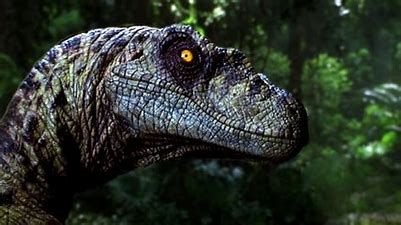
The Mountain Boomers were giant lizards that ran on two legs and came down from their lair on Santa Anna Mountain in search of food. Anything would do, but they were partial to goats, wild pigs, small cows, chickens, and tiny humans. If you were caught outside in the wee morning hours, it was a sure bet a Mountain Boomer would get you. We, kids, were scared shitless of even going out of the farmhouse after dark. Now we had giant lizards and the dreaded Woolly Boogers to deal with.
With no air conditioning in the farmhouse, we were forced to sleep with the windows open and would lay in our beds shaking all night, waiting for the monsters to break through the window screen and carry us away. Our Granny was no help; her standard goodnight to us was ” sleep tight and don’t let the Mountain Boomers bite.”
Summer evenings on the farm were made for sitting on my grandparents’ covered porch, watching lightning bugs dance, listening to the crickets chirp, and catching the faraway howls of an occasional Coyote pack running the creek that passed through the pastures.
The sky was black as pitch, the Milky Way as white as talcum powder, and heat lighting in the West added to the drama of the evening. We kids were ripe for a big one, and my uncles never disappointed. First, homemade ice cream was eaten, then the cooler of Pearl Beer came out, and the stories commenced.
Already that June, my cousin Jerry and I had been to see the hero pig and the three-legged chickens and had learned of the dreaded Woolly Boogers. Hence, we needed a new adventure: our summer was losing air like a punctured tire: we were tiring of shooting chickens with our Daisy BB Guns, then getting our butts switched by Granny.
“Did you kids see that over there in the trees across the road? I think that might have been one of them Mountain Boomers,” says Uncle Bill, in between swigs of Pearl. Then, of course, we strained our eyes to see what he said he saw, but nothing. Then, a few moments later, “There it goes again, I tell you kids, that was one of them sumbitches running on two legs carrying a wild pig in its teeth.”
He had us firmly hooked and reeled in. Then he starts in on the story. Uncle Bill took a swig of Pearl and said,
” Right down this road here, about twenty years ago, a family’s car broke down, ran out of gas, I think. The daddy, a man I knew well, walked into town to find some help. He left his wife and small son in the car. It was late at night, so he figured they would sleep until he returned with some gas. The little boy got out of the car to pee alongside the road. His Momma heard him scream and came out of the car in a hurry: a 7-foot-tall Mountain Boomer was standing there with the little kid in its mouth. The poor boy was already almost chewed in half. His guts were hanging out and dragging on the ground. The big lizard took off running with the Momma chasing it. Another of them, Boomers, was hiding in the scrub brush and got her, too. A few days later, the sheriff found their bloody remains up on the mountain. They knew a Mountain Boomer had gotten them because they found their tracks. That’s why we never go outside after midnight around here.” My other cousins and I were almost pissing our pants.
When we stayed at the farm, I don’t believe any of us ever slept well again after that night. But, even after we were adults, my uncles swore the legend and the story were true. I still dream of them.
A while back, an obnoxious blogger that fancied herself a serious author said that writers are not authors, and real authors are those that have been published and cut their teeth in academia, meaning a teacher or a professor of sorts. The rest of the poor souls plodded on through pages of typos and third-rate editing. I know that Hemingway, Steinbeck, and Capote would likely not agree with her observation.
Being the smart-ass that my mother raised well, I challenged the blogger on her assessment of the current literary scene and its “wink-wink” secret membership.
I knew she was a teacher right away because the following lecture and browbeating reminded me of high school. Much high-handed rhetoric and pontification without explaining anything. Sound familiar?
My measured response was that you must first be a writer to become an author. A writer is anyone that puts to paper a story of fact or fiction. It matters not if anyone ever reads your effort; it’s done and sealed. If your writing makes it to a publishing house or a website, you may call yourself an author, but you are still a writer. Nothing changes but a definition and perhaps a fat check.
My first writing was around ten years old and was on a Big Chief tablet. I was working my way to being the second coming of my beloved Mark Twain.
My uplifting teacher at the time had no problem telling me I would likely become a writer. Of what, I asked? She said maybe a book or a novel or a newspaperman; she thought I had a knack for the genre. She did encourage me to learn typing, which I did on a 1930s-era Underwood that occupied my parent’s dining room table. I was the only kid in our neighborhood that knew typing. My friends were google-eyed envious as if I had broken the enigma code or figured out the Orphan Annie decoder ring. I did gloat a bit, but not too much.
At 76 years old, I consider myself a writer; with over 200 short stories and interviews to my name, they attest to my efforts.
I have, over the years, been published a few times; Interviews about the rock scene in the 60s and early country music, so even though I received little to no money, I could, if I wished to, call myself an author. But it’s all a wordplay around egos. So, until I can come up with something as serious as Thomas Wolfe, Harper Lee, Truman Capote, or my beloved Mark Twain, I will remain a humble writer.
Perhaps Sal Paradise and Dean Moriarty had it right? Drive a beat-up car across the country, searching for the real America; find that touchable and believable reality. The young Marylou is along for the ride; she adds the angst to their search: a real woman, one to drive the two of them mad. Three is a tangled mess. Two recovering Catholic boys question their upbringing. Harsh realisms, self-flagellating, pot smoking, cheap liquor guzzling, teetering on becoming a criminal or a saint.
Roughians, hooligans, hipsters, Bohemians, and rapscallions. These were the self-educated beast shaped by the great depression that taught us that America isn’t perfect and never can be as long as flawed and greedy people make decisions for the masses. Lords and Cerfs; Alms for the poor, sir?
The late 1940s was a time of realism. Fantasy was for the dreams of children. The recent brutal world war ended the tragic depression years, and sacrifices and loss of human life in far-off lands all played out in real-time, not on a roll of film. There was no “escape from reality.”
The coterie of Bohemian writers and artists was forming. Jackson Pollock was dripping paint, Picasso was mutilating women on canvas, and Papa Hemingway, John Steinbeck, Alan Ginsberg, William Burroughs, Neal Cassady, and Jack Kerouac sat around small tables in dingy cafes and bars slamming down hooch, and writing the real stuff that made us smile, think, cry, or recoil in disgust. They took the American reality from the 1930s and 1940s and gave it to us with a backhanded slap to the face. It awakened some of us, the ones that paid attention.
Jack Kerouac and the rest of his group weren’t meant for literary sainthood; they were too stained, too fallible, and over-baptized. America was real; life was not always the astringed family of mom and pop, two kids, and a cocker spaniel. Sometimes it hurt. More often than not, it was damned good. Men were riddled with imperfections but still knew how to be male, and women were as perfect as they were created to be.
Somewhere on this trip, along the road, America lost its reality, and people turned to fantasy. Now, we are lost in a landslide, with no escape from a warped reality. The road goes on.
It was too hot to play pick-up baseball games unless my buddies and I got to the Forest Park Ball Diamonds before 8 am, and the city pool was closed because of the Polio scare; my mother kept a picture of an iron lung taped to the icebox to remind me what would happen if I disobeyed her orders. Boredom set upon us, we had too much free time on our grimy little hands, so the six of us that comprised our neighborhood coterie did what any gang of young boys would do; we went feral. It was two full months of constant butt-whoopings, loss of cartoon time, and other parental vs child warfare. My buddies and I agreed it was our best summer so far.
Mr. and Mrs. Mister, our next-door neighbors and mentors, attempted to reel us in, which worked for a short while. Mrs. Mister, a wonderful mom substitute who resembled the movie starlet Jane Mansfield, would let us sit under their backyard Mimosa tree. At the same time, she served chocolate chip cookies and Grape Kool-Aid to control our restless young spirits. Fred and Ginger, her twin white Poodles, would join us and beg for cookies. Mr. Mister, when his wife wasn’t looking, would let us have a sip or two of his ice-cold Pearl beer. We were bad assed and nation-wide.
This was the summer we declared war on our school tormenters, the older boys across the tracks known as “the hard guys.” And thanks to Mr. Mister and his military and engineering experience, we successfully implemented a detailed plan and defeated our nemesis. Sidewalk biscuits with implanted cherry bombs and a small Roman Catapult designed by Mr. Mister played a role in the defeat. Instead of feeling remorse for injuring our schoolmates, the battle made us insufferable and meaner, fueling our summer of feral behavior.
Our parents and Mrs. Mister were shocked and bewildered. Fifty or so butt-whoopings with everything from a belt, switch, and a Tupperware pan, didn’t phase me or my gang. The three girls in our neighborhood, our classmates, were all tomboys, and they said we were now “too mean” for them to associate with. Cheryl, our center fielder, the only girl we would allow to play on our team, called us “mean little shits.” Those are pretty sophisticated words from a seven-year-old gal, although we knew some of the good ones we heard from our fathers.
Skipper, or resident math wiz and duly elected gang leader, had the “Hubba-hubba’s” for Cheryl and gave her his tiny Mattel Derringer cap pistol as a sign of affection. He found it on his front porch one morning with a note from her mother that read, ” stay away from my daughter, you mean little shit.” Now we know where her scoffing comments came from. He was crushed, of course, but he was young and felt much better after he blew up Mr. Rogers’s mailbox with a cherry bomb. Firecrackers and high-powered fireworks secretly supplied by Mr. Mister played a big role in our feralivious behavior. The two neighborhood garages that caught fire were blamed on us, and Georgie, with his love of matches and lighter fluid, may have had something to do with those fires, but he wouldn’t admit to it.
My parents started taking Miltowns, an early pill similar to Xanex, and most other parents began drinking more than normal. Mr. Mister was called in to negotiate a truce, but secretly, he was on our side. He felt boys should have the right to cut loose and show their young oats, even though we didn’t have raging hormones, underarms, or pubic hair, which we anxiously awaited.
Our parents had enough of our feral behavior, and one Saturday evening, there was a hot dog party in our backyard. All my gang was there, as were their parents. Ice cream and a cake were served along with burnt wieners, and the Misters were there with Fred and Ginger. It was a downright ambush, the predecessor to the popular “intervention.” Our parents let us know that the next stop for us was “The Dope Farm,” an institution where malcontents and little hoodlums were sent to do time. We knew the stories about the place. It was out of a horror movie, and Father Flannigan wouldn’t be there to save us. It was time to clean up or be locked up doing hard labor and eating maggot-infested gruel. No more baseball, cartoons, or Mrs. Mister’s cookies and Kool-Aid. We huddled, agreed amongst ourselves, and promised our parents we would walk the righteous path of the good child. We did for the most part, but we hid our stash of cherry bombs for the next summer.
This Texan received a letter from Mr. Augustus McRae of Lonesome Dove, Montana. It seems that his middle child, a wealthy TV Preacher, has abandoned him and his wife, leaving them to fend for themselves in their old age.
Mr. McCrae: Back in 1978, I was doing some cowboying on a big ranch in South Texas and grew tired of everything. I hooked up my horse trailer to my Ford Pickup, loaded my horse, Hellbitch, up, and headed for Montana, where the water runs cool and the weather is nice. I made a stop in Albuquerque, New Mexico, for some chow and decided to go into this topless bar called “Mamery’s Are Made Of This.” I was sitting there drinking my Schlitz and eating a juicy burger when this topless lady comes up behind me, pecks me on the neck and sings, ” Blow up the TV, throw away the papers, move to the country build you a home… plant a little garden…eat a lotta peaches…try to find Jesus on your own.” I was young and naive and figured that topless lady had something up her sleeve. She danced around that ballroom, and she did the Hoochie-Coo, she sang that song all night long, telling me what to do. Well, it worked. She gave me a big old smackeroo, grabbed her little suitcase, and hopped in my pickup, and the three of us headed for Montana. We built us a little log cabin, no TV, no papers, planted a great garden with Peach trees, raised a lot of children, and they all found Jesus on their own. That’s where my problem starts, Mr. Texan. Our middle child, Baby Face Joey, took to religion and preaching like a duck to a June bug. He preached to anyone who would listen and began healing the ranch’s livestock and the garden veggies: we had the nicest Peach orchard in Montana. When he turned sixteen, he left the house and found himself in Houston, Texas. He preached a lot, built a large congregation, and relocated his church to an old basketball arena. Now he has about twenty thousand people in his church, and he’s raking in money like there’s no tomorrow: wealthy can’t describe the amount of cash this little chiseler stuffs in his custom-made suit pockets. Me and his momma are old and don’t have much these days, so I call Preacher Baby Face Joey and ask him for a little financial help. He sends us a $50.00 gift card to The Walmart and a membership in the Jelly Of The Month Club. I’m as mad as a hungry wolf and the wife is ready to whip his little butt with a Peach tree switch. Do you have any suggestions on how we can manage this situation without disrupting the entire familyThe Texan: Well, Mr. Gus, I’m sometimes at a loss for words, but this isn’t one of them. When I was a young and hungry man, I too did some cowboying down in South Texas. I got bitten twice by Rattlers and stomped by a bull, and that was it for the wrangler days. I’ve been in your part of Montana and there ain’t a more beautiful place, cows and Peach trees all over the place. Those TV preachers get pretty full of themselves, and I believe I know the one you’re writing about, and he’s about as obnoxious as they come. I suggest taking your wife and any kids left at home, go to Houston, dressing in some ragged clothes from the Goodwill, and walk down the aisle begging for some help. If that doesn’t get Baby Face Joey to cough up some cash, then nothing will. Keep in touch, and I’m sending you an album of John Prine’s Greatest hits and an autographed picture of Gypsy Rose Lee for the wife.
The makeshift sunblock my father had fashioned from a tarp and four cane fishing poles wasn’t beautiful, but it worked fine. Sitting under the contraption was my little sister, mother, and grandmother. I was eight years old. He and my grandfather were not far away, holding their fishing rods after casting into the rough surf. Whatever they caught would be our supper that evening. I wasn’t invited to fish with them; I was too young, and the surf too dangerous. Besides, my small Zebco rod was only strong enough to catch a passing perch.
The visit was our annual summer fishing trip to Port Aransas, Texas, a small fishing village on the northern tip of Mustang Island. I don’t remember my first visit, but my mother said I was barely one year old. After that, the Gulf of Mexico, the beach, and that island became part of my DNA
I’m an old man now, but I can recall every street, building, and sand dune of that small village. Over the decades, it became a tourist mecca for the wealthy, destroying the innocent and unpretentious charm of the town. Gone are the clapboard rental cottages with crushed seashell paving and fish-cleaning shacks. Instead, rows of stores selling tee shirts made in China sit between the ostentatious condominiums, restaurants, and hotels. I prefer to remember it as it was in the 1950s when families came to fish, and the children explored the untamed beaches and sand dunes.
Born in 1891, my grandfather was an old man by the time I was eight years old. Tall and lanky, with white hair and skin like saddle leather. He was a proud veteran of World War 1 and as tough as the longhorn steers he herded as a boy. He lost part of his left butt cheek from shrapnel and was gassed twice while fighting in France. Nevertheless, he harbored no ill feelings toward the Germans, even though he killed and wounded many of them.
On the contrary, he disliked the French because they refused to show proper gratitude for the doughboys saving their butts from the Krauts. As a result, he wouldn’t allow French wine in his home. He preferred Kentucky bourbon with a splash of branch water or an ice-cold Pearl beer. He left his hard-drinking days in Fort Worth’s Hell’s Half Acre decades ago. He told a few stories about the infamous place, but he was careful to scrub them clean for us youngsters.
His one great joy in life was saltwater fishing with my father, playing his fiddle, and telling stories to whoever would listen. The recounting of his early childhood and life in Texas captivated my sister, cousins, and me for as long as the old man could keep talking. He told about being in France but never about the horrors of the war. He lived a colorful childhood and, for a while, was a true Texas cowboy. Half of it may have been ripping yarns, but he could tell some good ones. My mother said I inherited his talent for recounting and spinning yarns. If that’s true, I’m proud to have it.
He could have been in a Norman Rockwell painting while standing in the surf, a white t-shirt, a duck-billed cap, and khaki pants rolled to his knees. I was in awe of the old man, but I was too young to know how to tell him. My grandmother said he was crazy for wearing his gold watch while fishing.
The timepiece was a gift of gratitude from his employer when he worked in California during the Depression years. A simple gold-plated 1930s-style Bulova. It was an inexpensive watch, but he treated it like the king’s crown, having it cleaned yearly and the crystal replaced if scratched. He called that watch his good luck charm and wore it when fishing for good juju. It was a risk that the salt water might ruin it, but he took it. He caught five speckled sand trout and half a dozen Golden Croaker that day, so the charm worked. Add the three specs my father snagged, joined with the cornbread and pinto beans my mother and grandmother cooked, and we dined like the Rockefeller’s that night.
The next few days were a repeat of the same thing. I rode my blow-up air mattress in the shore break and caught myself a whopper of a sunburn on my back. The jellyfish sting added to my discomfort. I was miserable and well-toasted, but I kept going, determined to enjoy every second of beach time. We returned to Fort Worth as a spent and happy bunch. The family would give it another go the following year.
Two years passed. One day, my father told me my grandfather was sick and would be in the veteran hospital in Dallas for a while. He mentioned cancer. I was young and didn’t understand this disease, so I looked it up in our encyclopedia and then understood its seriousness. One week, he seemed fine, sitting in his rocking chair playing his fiddle and telling stories, and the next week, he was in a hospital fighting for his life. His doctor said being gassed in the war was the cause of his cancer. It was not treatable and would be fatal.
Near a month later, he was not the same man when he came home. His face was gaunt; his body, which was always lean and wiry, was now skin and bone. The treatments the doctors ordered had ravaged him as much as the disease. My grandmother’s facial expressions told it all. There was no need to explain; I knew he would soon be gone. My father was stoic, if only for his mother’s benefit. His father, my grandfather, was fading away before our eyes, and we couldn’t do a thing to change the outcome.
A week after returning home, Grandfather found his strength, walked to their living room, and sat in his rocking chair. He asked me for his fiddle, which I fetched. He played half of one tune and handed it back to me. I cased it and returned it to the bedroom closet; he was too weak for a second tune. His voice was raspy and weak when he spoke, but he had something to say, so I took my position on my low stool, as I often did when he recounted his tales. I noticed his gold watch was loose and had moved close to his elbow. His attachment to the timepiece would not allow removal. It was a part of him. He spoke a few words, but continuing was a painful effort. My grandmother helped him to his bed. He removed his watch, placed it on the nightstand, and lay down. He was asleep within minutes. From that day on, he would sleep most of the time, waking only to be helped to the bathroom or to sip a few spoonfuls of hot soup. I would visit after school, sitting next to him while he slept, cleaning his watch with a soft cloth, winding it, and ensuring the time was correct. I felt he knew I was caring for this treasured talisman.
I came home from school on a Friday, and my grandfather was gone. I could see the imprint in the bed where he had laid, and his medication bottles and watch were missing from the nightstand. Mother said he took a turn for the worse, and my father took him back to the veteran’s hospital.
The following day, my father came home and told us my grandfather had passed away during the night. I noticed he was wearing his gold watch. I thought if the timepiece was such a lucky charm, as I had been told all these years, why had it not saved my grandfather?
Life continued on Jennings Street; for me, some of it was good, and a little of it was not. Father wore grandfather’s watch in remembrance and respect. He waited for the magic to come. He gave me his worn-out Timex, which was too big for my wrist, but I wore it proudly.
The magic of the watch began to work for my father. He acquired two four-unit apartment houses near downtown, fixed them up a bit, rented them out, and sold them. We then moved to Wichita Falls, where he started building new homes. A year later, we moved to Plano, Texas, where he continued to build houses. It appeared the good luck of the watch was working overtime. I became a believer in this talisman. The hard days in Fort Worth were well behind us now. The future held promise for our family.
On a day in 1968, riding with my father to lock his homes for the night, we had a long overdue father-to-son talk. I rarely saw him because of his work, so I welcomed the time. Had I thought about college? What was going on in my life? I played in a popular rock band, so that was a point we touched on. He didn’t want me to become a professional musician as he had been. I assured him this phase would end soon. He and my mother were worried I would be drafted and sent to Vietnam. We talked for two hours. He remarked that as long as he wore his father’s watch, everything he touched turned gold. My father was successful, so how could I doubt his beliefs?
In the summer of 1969, the band on the old watch broke while we were fishing for Kingfish in the gulf off Port Aransas. While gaffing a Kingfish, my father bumped his wrist against the side of our boat. The watch fell into the water, and in a flash, it was gone. He said that if he had to lose it, this was a fitting end, lost to the water his father loved so much.
I’m an old-school reader. An Amazon tablet sits in my desk drawer, but it has gone untouched for four years. Electronic devices don’t allow me the same experience as holding a book made from cardboard and ink printed on recycled paper. Technology is fine for some but for the written word.
It starts with the jacket. Most are now in color, printed on shiny paper, with the author’s name as large as the title, a nice photo or drawing, and a few lines of publisher praise to capture your attention and make you feel that the $30 or more you paid wasn’t in vain. It’s a dance of sorts, but our money has been collected, so it’s best to continue the waltz.
Then comes the preface or the dedication to loved ones, friends, or contributors. Some are short, sweet, and curt and fail to credit the deserved; others ramble on until I lose interest.
Truman Capote snubbing Harper Lee’s dedicated research with “In Cold Blood” comes to mind. A few excluded words of thanks ruined a lifelong friendship. He wasn’t the first, but his pettiness was unforgivable.
I notice the typeset and spacing information, the font, the Library of Congress notes, the printing dates, and then the first paragraph, which sets the tone for the next few hundred pages or more.
Ernest Hemingway said a book should begin with ‘one true sentence.’ He knew it was a waste of the author’s and their readers’ time if it didn’t. His advice has taught me well.
My wife, Momo, a Registered Nurse, retired last August. Soon after, she underwent major back surgery, and during her recuperation, she re-discovered her love of reading. Now, instead of watching television until late hours, we both retire early, prop ourselves up on our bed pillows, and read our books late into the night.
I recently revisited ” In Cold Blood,” Capote’s masterpiece that so affected his life that he never fully recovered to write another novel. I enjoyed it more this time than I did thirty years ago. It was a butt-whooping to the end. Every chapter contained a piece of his soul.
Anthony Doerr’s two newest novels are commanding reads. My wife and I have read both, and she is on the verge of starting his third. I am reading Amor Towels and find his storytelling to be in the style of Steinbeck and Hemingway. I was once a James Elroy fan, but his last two books were an effort from start to completion. He is on my rest list for now.
Besides ” Fun With Dick and Jane,” the first real books I read were Mark Twain’s ” The Adventures of Tom Sawyer” and then his follow-up “The Adventures Of Huckleberry Finn.”
I come from a family of non-readers, so my love for books comes from somewhere, possibly my elementary school librarian or my father’s sister, Norma. She was a voracious reader who leaned toward romance schlock, Cormack McCarthy, and Micky Spillane noir. I am thankful to both for their influence and guidance. It was Aunt Norma who introduced me to Thomas Wolf. I returned the favor with Joseph Heller and Kurt Vonnegut.
My wife and I are relieved that the year 2024 is behind us. It won’t be missed. No tears from this household, only two middle fingers pointed skyward. Our ages allow us to forget what we wish to and remember the best. I believe 2025 will be our year of reading dangerously. We may, holding hands and a frosty cocktail, step out onto that literary ledge and take the leap, attempt to leave our comfort zone, and take a chance or three. Time is of the essence, my eyesight is on the fritz, I have a blister on my thumb, and the books keep coming.
I wrote this story in 2020 after an encounter at a hipster restaurant in the trendy section of Fort Worth. I wish my stash looked as good as his.
A sweet little dog with a strange name is pictured for your educational pleasure. “Graphon Chardonnay” is what’s known in 2020 as a “Hipster Companion Service Dog.” I’m sure little Graphon would rather be out pissing on trees and digging holes in flower beds than wearing a beard and leather jacket. Dogs look odd in human clothing and look alien when they sport the same beard as their owner.
A nice-looking couple sat down next to us with their small dog. They were dressed in expensive “Fort Worth Hip” to the tee. The young man had a formidable beard, a ” Stallone” pork pie hat, Ray-Ban sunglasses, and skinny jeans. The woman was dressed similarly but without facial hair. These aren’t your poor retro-hippies; these Kats have dough, good jobs in IT, and live in an expensive high-rise overlooking the Trinity River. They most likely drive a Tesla or a hybrid Beemer.
The two diners immediately immersed themselves in their Apple I iPhones. Hipsters must only use Apple products: Sorry, Samsung, and HTC.
I felt sorry for the little pooch; he didn’t have a phone of his own or even a bowl of water, so I asked a kind waitstaff to bring the wee fellow a dog bowl of H2O. When his water bowl arrived, the man gasped and removed the water dish before the parched dog could catch a drink.
” Graphon does not drink regular water,” he shrieked. ” He’s chlorine intolerant.”
Of course, I apologized for not knowing the dog was allergic to water, so I asked his father, what does Graphon drink?
The young woman looked up from her iPhone and smugly replied, “Graphon Chardonnay drinks only Starbucks decaffeinated coffee, “Chateau La Pew” white wine and natural spring water from Tibet. He is also vegan and has an IQ of 165.” Well, holy hot shit, I am impressed that this furball with two names is smarter than most of us humans; myself included.
I had already figured out these two were vegans, so when our juicy hamburgers arrived, we made a big deal of our meal, loudly commenting on every greasy bite we took. The two gave us the ” hope you die” look.
I accidentally knocked a French fry off my plate in my meat-eating frenzy. The little genius, Graphon, caught it before it hit the ground and gobbled it down. His father screamed, grabbed the dog, and began the “Heimlich maneuver ” until the dog coughed up the slimy fry.
” That fry is cooked in animal fats, are you trying to murder my dog! Graphon could die if he ingests anything other than his special veggies,” he shouted. The woman was crying and having a small breakdown after witnessing her vegan dog eating the evil French fry.
The young couple was so traumatized they took little Graphon Chardonnay and departed the patio. I got the last laugh. I slipped the pooch a nice bite of my burger while they weren’t looking. I’m pretty sure he is going to have some righteous gas.
Photo courtesy of Mrs. Folgers, “Coffee Shop Hipsters”
My wife and I visited the new and improved Fort Worth landmark, Sundance Square, a while back. Beautiful place, well planned and functional architecture; good job, Bass boys. After a few loops, we hankered for a cup of coffee and maybe a pastry. We found a coffee house cafe with little sidewalk tables. Not our style to sit on a busy sidewalk, so we went inside.
Passing through the door, I caught the name on the storefront window, “The Door to Perception.” The famous beat author Aldous Huxley wrote that book. He and Jack Kerouac birthed the beat generation with their unconventional literature; this might be a cool place.
We queued in line at the counter. The young man in front of me smelled of Petiole oil, an odd scent for a man; it didn’t mix well with my Old Spice. Hippie chick perfume is what we called it back in the day.
My wife nudges me and whispers, “What kind of place is this? These kids all look alike.”
Her observation was spot on. Every male in the room had a similar symmetrical haircut, facial hair, garage-sale chic mismatched clothing, and skin-tight jeans. Birkenstock sandals and Doc Martens seemed to be the shoe of choice. The girls were ditto but without facial hair. Stepford children they were. I knew immediately that we had stumbled into a Hipster coffee house. I told my wife to please be calm. This is no more dangerous than wading into a gob of old hippies at a Steppenwolf reunion concert. She wasn’t amused.
The Petiole boy in front of me was ordering his coffee. I caught the conversation between him and the barista. “I’ll have a Trenta in a recycled rain forest cup, free-range, green label, fair trade grown, Andean, but not from the higher region but the lower valley, harvested by virgins no older than 16, aged in a cave on the coast to a bold bean, roasted on a log fire made from non-endangered rain forest trees, lightly pressed, and kissed with a serious pour of steamed spotted Syrian goats milk, then ever so slowly, pour two Cuban sugars at the same time on opposite sides of the cup. Oh yeah, and Kale sprinklers. Don’t stir it, I need to experience the aura.”
“Ahhhh… that’s my favorite. An educated choice, sir,” cooed the barista.
We are stunned. What in the hell did that kid just say?
I stepped up to the counter. “Two coffees with two creams and sugars each, please,” I say.
“And what region will your coffee be from, sir,” says the young barista.
“How about from Columbia, you know Juan Valdez and his little burro,” asked I.
“Don’t know that one, sir, don’t know a Mr. Juan Valdez,” she replied.
“Got something from Mrs. Olsen or Mrs. Folgers ?” I asked.
“No, sir, don’t know them either,” she replied.
“Got anything that comes in a vacuum-packed can?” I say.
“No, sir, our beans come in hand-sewn organic burlap bags from India,” she smugly replies.
“Do you have any coffee grown in the United States?” asked I.
She perks up and replies, “Yes sir, grown in California, Big Sur area by the Wavy Gravy Mystical Coffee Co-op. I hear it’s harvested every third quarter when Jupiter aligns with Mars, and the moon is in the seventh house. You know, sir, this is the age of Aquarius.”
“Yes, I know the song,” I say.
“Is there a song, sir?” she replies.
At this point, my head was about to explode, and I needed to wrap it in duct tape to contain the splatter. My wife saved me by stepping up to the counter and addressing the barista.
“Look, Moonbeam, just give us two cups of that Gravy Wavey coffee, and you pick out the sugar and cream, deal?”
“Names, not Moonbeam’ mam, it’s Hillary,” says the barista.
“Of course it is, sweetheart; I should have guessed that. I suppose you have a brother named Bill too? “No, mam, just a little sister, Chelsea.”
My wife shot me her “get me out of here before someone dies” look. The barista sensed where this was heading and promptly pushed the coffee across the counter. I paid, and we left. We stood on the sidewalk, took a sip of the gruel, and poured it into the gutter.
On the way home, we went through the Mcdonald’s drive-through for a red, white, and blue cup of coffee. Can’t go wrong with good old Mickey D’s. None of that Hipster crap.
“I’ll have two coffees with cream and sugar, please,” I said to the voice.
“Sir, will that be a Latte, a breakfast blend, a dinner blend, a dessert blend, an anniversary blend, an I love you blend, a save the children blend in a reusable cup, or an expresso, chilled or topped with sprinkles,” the speaker’s voice asked?
I pulled out of line, and we headed home to our old and tragically un-hip, Mr. Coffee.
Keeping with the spirit of Christmas, I am posting a few tales of personal Holiday experiences growing up in the 1950s in Fort Worth, Texas.
The hundreds of hours I wasted thinking about Santa Claus, where he lived, and whether he was happy. Did Mrs. Claus make him hot cocoa and cookies? Does his reindeer live in a lovely barn? How do they fly? Is Rudolph the leader of the pack? Did he get my letters? Was I on the nice or naughty list? Is his spying Elves watching me? These were questions that required an answer. My parents were no help, they would smile and pat my little flat top haircut head.
Santa consumed my life from 4 years old until I turned 9. I was a true believer, a young pilgrim to the point of becoming a child Santa Evangelist. Anyone said something terrible about Santa; it was put up your dukes time or a come to Santa prayer meeting. My younger sister was also a firm believer, but then, she was brainwashed by me, and I was programmed by my parents, grandparents, and the rest of the family.
On Thanksgiving Day, the trickery commenced around our household. First, my mother, the master of deceit, would warn us about the naughty list and what would happen if we were on it. Then it was, ” The Elves are watching you through the windows to see if you’re good.” That’s the one that got to me the most. I had a plan to catch them.
After lights out, I slinked out of bed under the cover of my darkened room. Crawling on my belly like a soldier, I made my way to the nearest window. Back against the wall, I slid up and moved the blinds in a flash, hoping to catch the little guys. Failing to catch one spying on me didn’t deter my mission: I knew they were there and faster on the draw. Santa and his gang were tricky ones.
The annual Christmas visit to Leonard Brothers Department Store in downtown Fort Worth was the ultimate Santa experience. Toyland was akin to holiday Nirvana for us kids. A rocket ship monorail glided around the basement ceiling, kids packed in like sardines on a rocket train to nowhere. Parents rush to purchase presents while the kids are busy, hiding them under their coats or in bags and lying to their innocent children with straight faces.
Santa held his court in the middle of Toyland. His throne was 10 ft. off the ground, with stairs leading up and down. A majestic sight if there ever was one. Sitting in a velvet chair fit for a king while his Elfin helpers lifted the crumb crunchers on and off his lap, it was pure excellence. A line of snot-nosed kids snaked around the room, waiting for their chance to place their order, up the stairs, on the lap for 15 seconds, then off the lap, and down the stairs. The visit was over before you knew what had happened. It was the same routine for years, and I loved it. I could spit out my order in under 10 seconds. Santa and his helpers were impressed.
I asked Santa for a bicycle when I was 9 years old. A red and white machine with side mirrors, streamers, a headlight, and white-side-wall balloon tires. I also asked for a new BB Gun, a larger Cub Scout knife, and a Fanner 50 cap pistol with green stick-um caps. My sister asked him for a doll that was larger than she was and a dollhouse.
Christmas Eve arrived, bedtime rolled around, and we hit the sack. Hot Ovaltine and cookies put me out like a light. Then, sometime after midnight or later, I had to pee. I didn’t want to get up, but the Ovaltine was causing me some discomfort. Half asleep, shuffling down the hallway, I looked into the living room as I passed the doorway. With a Schlitz beer in his hand, my father sat by the tree, assembling a red bike like the one I expected from Santa. My mother was working on a cardboard dollhouse, and the giant doll my sister wanted was standing under the tree, looking creepy.
I convinced myself that Santa must have run out of time and had recruited my parents to complete his work. The reality of the sight escaped me.
My father looked up and saw me standing there; our eyes met, and he smiled like a raccoon caught in a trash can. The jig was up. The big lie was exposed, and my childhood imploded right there in the hallway. Daddy was Santa, and Mom was Mrs. Claus. I peed and made my way back to bed, not comprehending what I had witnessed.
I awakened at daybreak, our usual Christmas morning routine. I was thankful to be awake and away from the nightmare that had gripped me most of the night. I was relieved that it was all caused by the Ovaltine. The gifts were under the tree, and life was good. I loved the bike and the BB Gun, but my sister feared the enormous lifelike doll.
After breakfast, I was lying under the Christmas tree, building an army fort with my plastic soldiers. That’s when I found a Schlitz beer bottle, assembly instructions for a bike, and a few tools.