Born Without Politics


I came into this world in 1949, a mere flicker of life amidst the portal to the West, Fort Worth. The good nuns who ran the hospital, those stern guardians of order, chose an unconventional method to usher me into my first cries, with a 12-inch wooden ruler upon my fragile backside rather than the customary spank from a soft hand. From that day forward, I held a quiet disdain for nuns, a sentiment my mother echoed with an understanding heart. I emerged into stark confusion—bright lights glaring above, towering figures in black robes scuttling about. A tiny stranger in a bewildering land devoid of any plan, I only wanted to know what the hell just happened and where I was.

I was a happy kid, or so I’m told. My routine was breakfast, playing until lunch, eating a baloney sandwich, washing it down with Kool-Aid, playing some more, eating fresh-baked cookies from Mrs. Mister’s kitchen, watching afternoon cartoons, taking a bath after supper, and going lights out—pretty mundane stuff.

My family rallied behind Roosevelt in the 1930s, their hearts giddy with hope for a better tomorrow. They believed with every fiber of their being that Franklin Delano Roosevelt pulled this nation from the dark abyss of despair during the Great Depression, and perhaps he did in many ways. Pushing the buttons that led the country into World War Two with the Nazis and giving the checkered flag to spank the Japs. The Works Progress Administration sprang forth from his dream, and thousands of men and women found temporary refuge in constructing parks and carving streets in Fort Worth; each brick laid a testament to earning a paycheck. My father had a lovely singing voice, so he filled our home with a constant tempest of musical disdain aimed at Dwight Eisenhower from the first light of dawn until the sun sank low and I was fast under my covers. Eisenhower was a gentle figure, a soft old soul cradling a golf club like a weary king holding his lost crown tightly. Later in life, when I took to the sport, I learned he was a 3 handicapped and was a certified bad-ass who commanded our troops on D-Day.

I was too young to grasp the significance then, but amidst the familiar shouts and wailing, I began carving my political identity. To belong to this raucous, somewhat heathen brood, I learned to hurl adult insults at Eisenhower and shake my tiny fist in solidarity with my kin. It is a truth held dear — a family that goes full bore batshit crazy together stays together. We were a close-knit brood, vowing to all enter the mental hospital together if need be to prop up the sickest of the clan. My father was the first. Politics and his alcoholic mother got the better of his mind, and he was tied down and shocked like Ready Killowwat. He came out of the procedure a Republican, which caused his extended family to shrink back in disgust and horror. The doctors had taken a witty lunatic Democrat and turned him into a pipe-smoking, tweed-jacketed professor of Ryan Street. His demeanor hadn’t changed much, but the burn marks on his temples never faded. I viewed him as a now sophisticated Frankenfather.

Thanks to my electrically converted Pop, I eventually forgot about old Dwight. I learned to read and write and took to my Big Cheif Tablet, hoping to make a mark, or at least a permanent stain, on this planet. Politics went by the wayside, and I lost interest in gnashing, wailing, and blaming fault. I was becoming a writer thanks to my favorite aunt, Norma, who diligently taught me to read and write before entering first grade. I was a bored child prone to fidgeting while daydreaming about Mark Twain and Micky Spillane while sitting at my tiny desk. I had no interest in the little people around me, uneducated booger eating feral children with no purpose.

When John Kennedy was elected president in 1961, I began reading Life Magazine, my mother’s favorite slick-paged rag. He was a nice-looking fellow with an elegant wife. My mother and her friends went limp, noodle-wobbly-legged when discussing Mr. and Mrs. Camalot. I didn’t get it until the Cuban missile crisis came about. He was willing to risk the population of America just to give Castro and Krushev a butt-whooping and the middle finger; “here Jackie, Hold my 80-year-old Scotch and soda and watch this shit”. JFK had some big ones, as attested by Marylin Monroe. All of us school kids knew we were about to be ashes to ashes and dust to dust. Teachers stepped up the nuclear drills, and we spent the better part of each school day hiding under our desks. Why? If the bomb incinerated our school building, then our tiny desk wasn’t going to protect us. That’s when I realized teachers were as stupid as the rest of us Neanderthal knuckle-dragging children.

When the lovely gentleman with the perfect hair took a headshot in downtown Dallas, Texas, I was like most of my kin and friends. We all felt terrible and mourned for a few days, but then it was “back to the basics of life;Luckenbach, Texas, didn’t exist then, so we made do with Fort Worth.

My cousins and I were heavily into Brother Dave Gardner, the preacher turned comic. His albums were a bulging bag of witty, logical, and borderline racist comedy. America hadn’t learned quite yet to be so easily offended. Brother Dave’s favorite targets were Lyndon Baines Johnson and James Lewis, a fictional black character from the Deep South. LBJ was perhaps the most excellent Politicasterd crook in history, and by damn, he just had to be from the great state of Texas. We agreed; the lumbering goon from the hill country was as slimy as they come.

Around 1965, I began to form my own political beliefs. I was neither a lib nor a conservative, But a white flag on a long stick, wafting in the breeze. Heavily into surfing and playing rock music on my cheap Japanese guitar, I began to listen to the Beatles. I was told that some songs held mysterious political messages. When Sargent Pepper‘s Lonely Hearts Club Band debuted, My bandmates and I recorded the album on a Reel Reel tape machine and played it backward. After that, I was sure the four lads from Liverpool had been sent by Beelzebub to corrupt our nation’s youth. That’s around the same time our drummer, Little Spector, bought into the Hindu religion and found solace in Ravi Shankar and his melodious Sitar. It seemed I was the only one in the band with enough political knowledge to hold a riveting conversation with an adult.

The 1960s found me non-committal to a political party. The long hair and playing in a band were my disguise. Most of my friends and bandmates were in the bag for the liberal side of life; I was a relic, an uncommitted poof in the wind, although I dug Robert Kennedy and was just getting into his mantra when he followed his older brother to the Spirit In the Sky. Now, there was no choice, but “Little Richard” Nixon and his “Five O’clock World” beard shadow and sweaty upper lip creeped me out.

In 1976, I took a direct hit to the head from the mast while sailing my Hobie Cat 16-foot catamaran sailboat in the Gulf of Mexico off the island of Port Aransas. I was sailing by myself, which is not recommended, and was jibing downwind, which is also a no-no, when the mast caught the wind and reversed position, knocking me off the boat. I was wearing a diaper rig attached to the main mast, and that saved my life. What I do remember after the initial shock from that experience was that, like my father and his electrical conversion, I was now a Republican and have been ever since. I wonder if there is voting in Heaven?
Chapter 14. From Homesickness to Harmony


After two months in Hawaii, homesickness crept in. Johnny missed his music and his string band, Blind Faith. His prized fiddle stayed behind, locked away in the hall closet. His father assured him that it would be well cared for.

Norma, his sister, wrote each week; her letters were either sharp with bitterness, primarily toward their mother, or filled with hilarity about life at home. His dog, Lady, lingered in his thoughts, her absence a weight; she is old and might not be alive when he returns.

Once again, in the clutch of her elixirs and perhaps something more potent, his mother continued her assault by missives. Johnny read a few, sensing something wrong. She sounded unsteady, lost. Her words were jagged, and he promised himself no more. He would not carry the burden of the guilt she heaped upon him. Her pen was poison.

A music store sold him a fiddle for ten dollars. The owner was an old Korean man who made a few adjustments, adding new strings and setting the bridge and sound post just right. It did not sound as sweet as his own, but now he had a fiddle, giving him a spring in his step. He needed musicians. His commanding officer, walking by the barrack, heard Johnny practicing. Whenever he had spare time, he sat on a wooden crate under the shade of a Koa tree behind the barracks, entertaining the birds perched in the tree. The officer from the South Texas town of Corpus Christi offered to connect him with musicians he knew. True to his word, two sailors came to Johnny’s Quonset Hut the next day. One was a guitar player named Jerry Elliot, a fellow Texan, and the other was Buzz Burnam, who played the doghouse bass fiddle. Buzz, a Western Swing musician from Albuquerque, knew a few other musicians who might be interested in jamming. They set a practice day and time to meet under the Koa tree. Johnny’s homesickness eased a bit.

A letter from Le’Petite Fromage gave Johnny another lift. She and her husband, Montrose, the trumpet player from Sister Aimee’s orchestra, had a baby child named Savon, an old Cajun family name. They planned to stay in Chigger Bayou, and she would sing in her father’s band if and when he returned from California. Her mother, Big Mamu, said life was better without him underfoot. She had told Johnny many times that girls in the Bayou are expected to be married with a child on each hip by the age of eighteen. Tradition got the best of her. Blind Faith was finished. It was a good run while it lasted.

Sunday was a day for rest, even amid the chaos of war. The sailors moved through the day with light duty on the Sabbath, their shoulders eased, and their spirits lifted after a good dose of religion found in the island’s many churches. After lunch, the two musicians arrived, bringing two more as promised, one bearing a saxophone, the other a snare drum with one cymbal. They played, and the music flowed—Western swing, big band, island tunes. It went on for hours. They were asked to play at the Officers Club in the Royal Hawaiian Hotel a few days later. The pay was meager, but they were musicians, and they knew the worth of their work was in the joy it brought, not the currency it earned.

A letter came from Sister Aimee McPherson. It told Johnny about Blind Jelly Roll. He had been hit by a car. The new seeing-eye dog, following barking directions from the blind Pancho Villa, led them across a busy street. They walked straight into the path of a vehicle. Everyone survived, but Blind Jelly Roll broke his left arm. His hand was crushed under the tires. It seemed unlikely he would ever play the blues again. She would keep him on as the music director and spiritual advisor. She loved that old black man and his ill-tempered Chihuahua deeply.

Sometimes, good luck strikes like lightning hitting the same ground. Johnny felt it. His C.O. asked him to help with the weekly base paper. This led him to work at the Pearl City News when off duty. He became the leading writer. Two sailors he knew were on staff, too. The pay was little, but he saved every cent until he had a decent stack of bills. He rented a lot in downtown. Then, he bought two used cars from an officer. They sat there for sale. The drugstore next door took names for those who inquired, and Johnny made appointments to sell. Two cars turned to three, then five, then ten. Two young Hawaiian boys washed them twice a week. Johnny sat beneath a small canopy that served as his office. He sold cars, saved money, bought more, and eventually acquired the lot and four more on that block. In a year, he owned a few small buildings and all remaining vacant lots—almost an entire city block in east downtown Honolulu. After his Navy discharge, he rented a room in a house owned by the old Korean man who owned the music store. He was taken aback when he met the man’s young granddaughter, who was his age. They both sported arrows in their backs, shot by the mythical fairy, Cupid. Returning to Los Angeles was now out of the question.

The Great Pumpkin Made Me Do it, 2.0


I wrote this post some years back, but I want to share it again with my faithful blogging friends. Halloween is not just for kids.

I did something last night that surprised me, and that’s always good. I watched ” Its The Great Pumpkin Charlie Brown,” the proverbial 1960s Halloween show.

Seeing the old Peanuts gang looking so healthy and young was comforting. Pig Pen and Linus are still my favorites. Charlie Brown has a defeatist attitude, so I never got into him. While watching that program, I told my wife, Maureen, that it rejuvenated my interest in Halloween and trick-or-treating. Things are going to be different this year, I declared.

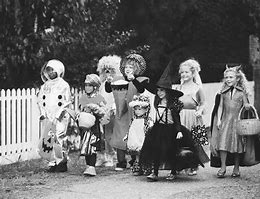
As a child, I fondly remember the anticipation of Halloween. When October 1st arrived, the kids in my neighborhood counted the days until Halloween. Back in the day (the 1950s), we celebrated Halloween on the actual date and did our begging on that evening, in the dark, even if it was a school night. We were tough kids back then, staying up late and going to school the next day. We didn’t need a weekend to recover and didn’t know what a safe room was. Trick-or-treating was damn serious stuff for us, and we were good at it.

In a fit of nostalgia, I announced to my wife that I would go trick-or-treating this year. She is going along with the idea as if I am joking. I tell her I am not, and she can hide and watch. As for a costume, I will wear a black t-shirt, a black jacket, jeans and sneakers, and possibly a Texas Rangers ball cap if the weather is inclement. I will not carry a glow stick or a flashlight; that’s for babies. If I can’t find a group of kids to walk with, I will trudge on by myself. I am determined to experience one last Halloween before that tall, robe-wearing dude with a sickle knock on my door. This has evolved into a bucket list thing, and I must see it through.

I have given this some thought and have worked out the perfect plan accepted in today’s society. When I ring the first doorbell, and a smiling man or woman answers, I will say trick-or-treat, holding their candy bowl. Their first reaction will be to say, “where’s your grandkid, or what the hell is this.” Either one, I’m ready. I will look them straight in their parental eye and say, ” I identify as a 6-year-old.” I will come home with a full bag of goodies or bond out of jail. It’s going to be a good Halloween this year.

Driving Lessons from Grandpa: A Childhood Memory


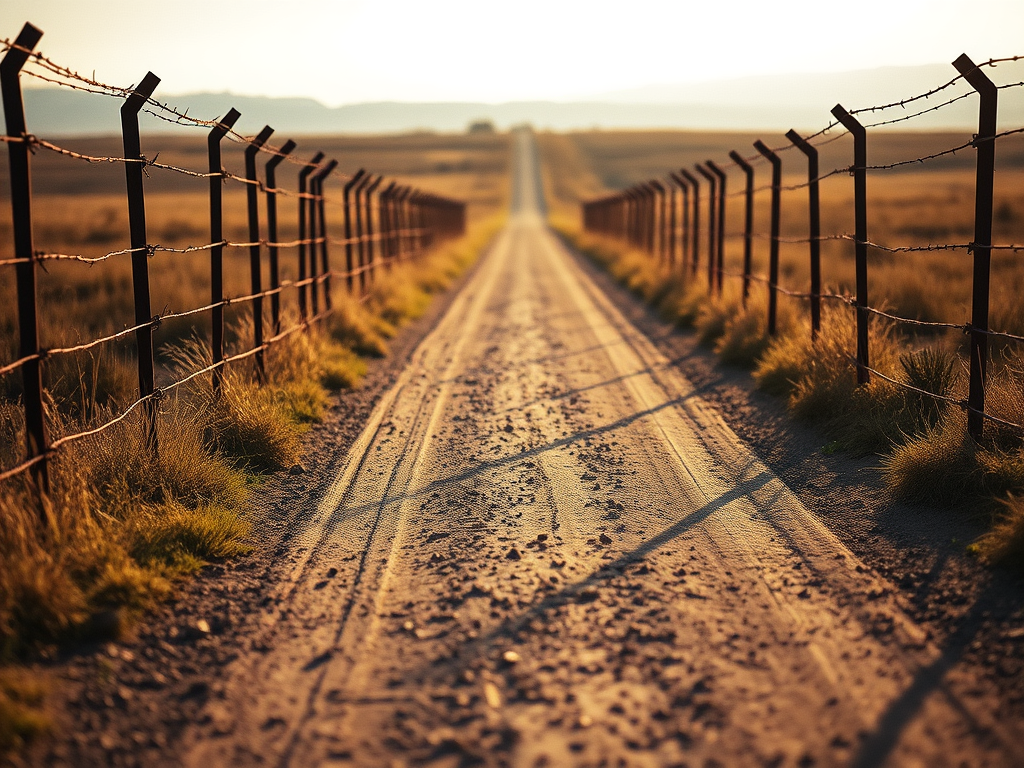
The dirt road was not much to speak of, so most folks didn’t. It was rutted, the kind of nasty ruts that could swallow a small child whole, never to be seen again.

No signs marked its path until my uncle Jay painted a small board with an arrow and the family name and attached it to a fence post with baling wire. People simply referred to it as the road to the Manley farm, the first right turn after crossing the bridge. It was a quiet, dirt path that meandered past Mrs. Ellis’s house and abruptly ended at a gargantuan cactus patch about a block past the railroad bridge.  

  My visits to the farm were during the summer, and I usually stayed for three weeks. I vividly remember the chickens, a noisy five hundred or so troupe circling the farmhouse, scratching the dirt, and being ever-busy. I also remember that almost everything on that farm wanted to kill me. The Mountain Boomers, Coyotes, and Rattlesnakes were my first worry, so I carried my completely ineffective Red Ryder BB Gun as protection.

     My grandfather Jasper decided it was time for me to drive a car, as most farm kids did out of necessity. At ten years old, I had mastered the tractor well enough to tear down parts of his barbed-wire fence without a second thought. He believed I was ready for his old stick shift V8 Ford. My grandmother fretted about his failing eyesight and knew better than to step into the driver’s seat herself: driving cars and deep water haunted her dreams, and she wouldn’t face either. My grandfather needed a chauffeur, skilled or not, for his trips to the domino parlor in the town’s only cafe, The Biscuit Ranch. I was his first and only choice.

     My first excursion behind the wheel was chilling, at least to me. What sort of adult would let a ten-year-old kid drive a car? If Grandfather was apprehensive, he hid it well.

  Turning out of the farm gate, hitting a hard left, clutching and shifting to second gear, working the accelerator, and attempting to steer the metal beast without running us into a ditch was all I could handle. By the grace of God, we made it to the railroad bridge where the hobos gathered, so we stopped so Grandfather could visit a spell. He enjoyed chawing with the hobos, swapping stories, chewing and sharing his Red Man tobacco, and telling dirty jokes: things that weren’t allowed at home. One of the hobo’s remarked that I drove exceptionally well for a little kid, and he and his buddy could hitch a ride into town. My grandfather was out of chewing tobacco, so he invited the hobos into the back seat for our first trip to the feed store in town.

  I was feeling optimistic and a bit cocky about my driving skills by the time we pulled up to the highway intersection. Grandfather checked for traffic and, finding none, told me to hit it, which I did: skidding out onto the pavement in front of the large truck he didn’t see coming; my small PF Flyer-covered foot floored the beast and hit second into third gear, squealing the tires like a stock car driver. The hobos in the back seat laughed and said I was the best kid driver they had ever known. The Ford made it to the feed store; then, we stopped at the Domino parlor, where I was introduced as the main chauffeur for the Manley family. When my mother came to collect me toward the end of July, I was car-driving Jessie. My grandmother marched me to the barn while my mother threw the grandest hissy fit ever after her father bragged about my good driving.

Chapter 12. Wagons Ho From Texas To California, War Comes To America


My grandfather, John Henry Strawn, was a man who walked through the shadow of World War I, kill or be killed, and he did that to stay alive. This left his life marked indelibly by the echoes of battle and the night terrors of remembrance.

Like a capricious storyteller, as most newspapers were in those years, in the bustling heart of Los Angeles, the “Daily News” spilled forth tales of a world war that often danced precariously between the lines of truth and embellishment. John Henry read the papers, listened to the radio, and sensed the winds of conflict stirring anew: England, under the dogged leadership of Churchill, had already been forced to take up arms against Germany, and the very fabric of Europe was being torn apart by Hitler’s relentless march. The veterans he worked with and once fought beside in the first war, their spirits worn yet resolute, whispered with a shared conviction that Japan, lurking in the periphery, was quietly readying itself for an insidious alliance with the Nazis, as if the world were a stage set for a dark, unfolding tragedy.

Though a year too young to answer the call of duty, my father carried the heavy knowledge that at eighteen, the war might come knocking at his door.

With weary eyes and a resolve hardened by fate, Churchill was bartering and begging Roosevelt for machines of war, trying to keep the demons of Hitler from roaming freely on Europe’s fields and invading his island nation. With the earnestness and bravo of youth, Young Johnny approached his father, asking him to sign the papers letting him enter the fray at seventeen. No man who had walked the grim aisles of battle wanted his only son to face the specter of death on foreign soil, yet in a moment of bittersweet surrender, he found himself issuing that reluctant blessing, driven by a love that could not deny the call of his son’s heart. Convincing his wife, Bertha, would be a battle he dreaded and would likely lose.

Japan unleashed its first thunderbolt, and as the morning awoke over Pearl Harbor, Hawaii, our once-proud Navel fleet lay shattered on the waters of war, a haunting reflection of the chaos unleashed on that fateful December 7th, 1941. The weight of long-forgotten battles seemed to press upon the shoulders of the divine Emperor Hirohito as if the specters of ancient warlords propelled him towards an unseen abyss, a dark and uncertain fate simmering beyond the horizon. The gates of Hell swallowed Japan, and the gatekeeper kept them imprisoned until their foolish folly was completed.

Three members of the string band Blind Faith had fancied themselves sailors and enlisted in the Navy, much to the dismay of Johnny, Blind Jelly Roll, Pancho Villa, and Le’ Petite Fromage, who found themselves in possession of a hefty bag of bookings badly in need of some good ol’ resolution. To add a sprinkle of chaos to the mix, Pancho Villa, the loyal seeing eye dog of Blind Jelly Roll, had now joined the ranks of the visually impaired, having lost sight in his last good eye. Sister Aimee, ever the resourceful soul, splurged on a certified German Shepherd to take over the seeing-eye duties, much like the replacement engine in a clunky old jalopy. Pancho Villa, undeterred and full of moxie, took to his new post on a small platform fixed to the back of this new pooch’s harness, barking orders like a captain adrift at sea, blissfully unaware of his own shortcomings. More than once, they came perilously close to being flattened by a passing car, prompting Jelly to stuff Pancho into a papoose on his shoulder, urging the little rascal to button it. It was becoming painfully apparent that the music of the Blind Faith string band was about to fade into the pages of history, as every good tale must come to an end; their final curtain had been drawn, and boy, did it drop with a thud!

Le Petite Fromage, bless her heart, found herself smitten with the charming trumpet player of the church orchestra, a situation that surely raised the eyebrows of the good girls in the choir. Sister Aimee tied the knot between the two in their rather cramped dressing room as a way of keeping things discreet—or perhaps just to save on wedding costs. Off they scampered on an Eastbound train to Chigger Bayou, Louisiana, the very next day, with visions of a well-timed little one dancing in their heads like so many sugar plum fairies. Meanwhile, good ol’ John Henry, ever the dutiful father, marched with his son Johnny to the enlistment office, signing his life away in exchange for a rather dashing Navy uniform, all at the tender age of seventeen. As for Bertha, bless her soul, she took to her bed like a shipwrecked sailor, wailing and concocting her questionable brews that promised to calm her nerves but likely only added to her woes. There she lay, utterly convinced that her son was on an express boat to Pearl Harbor and straight into the chaos of World War II. The dutiful son had left one duty to embrace another.

When Northeastern Mobsters Hold Our Country Hostage


Rantings Of an Elderly Man That Has lost all filters and doesn’t give a damn if I ever get them back….

Let me set this writ straight from the start: I am not a union supporter and never have been. When I was building multiple projects at the Mall Of America in the early 90s, the local labor unions threatened me and my family with death numerous times. Tires slashed late-night phone threats and everything you could imagine if my employer, a Texas company, and I did not comply with their Nazi commands. This was in Minneapolis, Minnesota, supposedly America’s friendliest state; if you believe that whispering downhome wolf in a sheepskin suit, Garrison Keillor, the hometown boy, made good, then exposed as the unvirtuous butt-pinching bad boy of small-town America.

The longshoremen are shutting down the country because a forklift driver’s six-figure income is insufficient. The average income for a hardworking American is 58K. And a man driving a forklift on a dock is worth over three times that? Since when did our country go full “batshit crazy?”I would guess it was around when the sainted Franklin D. Roosevelt was crowned president for what he envisioned as a lifetime. An elitist northerner sporting a lilted half-European accent that smoked his ciggies in a pearl holder and humped more willing women than JFK could dream of. He was a cad, but considering the almost canine looks of his genius wife, I could throw him a bone: Sorry for the apparent cheap joke.

Momo and I are trekking to the HEB tomorrow to stock up on whatever is left. The panic buying is upon us like a flock of city park Ducks on a single Junebug.: my condolences to the dearly departed ducks in Springfield Ohio. Ordinary women in far-too-skin-tight leggings fight in the aisles over toilet paper, face moisturizers, wine, Mountain Dew, and Rice A Roni, the San Francisco treat. Down here in Texas, we won’t put up with that crap in the Northeast. We have plenty of farms with fresh produce, hordes of cows, pigs, and fish, feral pigs, feral cats and dogs, and feral people, and if we don’t have it, we will invade Mexico and take it. Why not? They have already invaded us.

Did I say too much? Probably. If you have any significant complaints, call me at BR-549 and ask for Junior.

Taking A Knee For The Right Reason


I’ve always believed in the raw strength of prayer. A small child kneels by the bed. A grown man kneels beside a dying parent. God listens. He may not grant all our prayers. There are reasons for this. A dying parent approaches the end, no cure in sight. It is time. We all have our moment.

Momo and I found ourselves at a prayer gathering in the park a week ago. The turnout was sparse, the heat oppressive, the air thick with discomfort. Yet, amid it all, the holy spirit lingered among us. Men, women, and children knelt, some on one knee, others prostrated on the pine needles, indifferent to the thoughts of strangers. The older ones were weighed down by age, needing to rise again; I understood. What struck me was the number of young folks present: teens and those in their twenties, engulfed in faith. I thought, why should I be surprised? This faith is not merely for the old; it is for the young, from the cradle to the grave and beyond. It filled me with a quiet hope against the dark forces that assail our nation—a small, emerging army ready to stand, bolstered by the strength of Michael, the Archangel. Change is coming; stay tuned.

Throwing Things At My Television


Tonight, I discovered that my pitching arm doesn’t work anymore. Listening to the debate, I couldn’t tell who deserved my ire. Trump could have done better, and Harris surely had the questions, possibly weeks in advance, so it wasn’t really a debate but a corrugated yuk-yuk party. I started scanning my den for objects to hurl at my flat screen. My Dallas Cowboys honorary brick would go through the set and possibly the wall, so that was out. Maybe a vinyl record album, but then I like them too much. A music CD, nope, I like them too. Maybe a sandal, nope, might ruin the footwear. So I threw an old Texas Highways magazine, and it bounced off: no power in my throwing arm anymore. Trump did bring up the Haitians eating people’s pets, which got a yuk from the moderators, but folks, that is true. I read that one Ohio grandmother watched a hungry Haitian eat her little Yorkie while she still held the leash. Haitians have a new dish, Kitty Tacos, which we’ve likely eaten before if you lived in Texas. I can’t take any more politics, so this will be my last post about the subject. Chapter 10 on Wagons Ho to California is about in the can, so stay tuned for that. May the force be with you…well, maybe not; Luke Skywalker likes Harris. Why did he have to go and ruin my Star Wars memories?

The Journey to Bakersfield: A Lively Tale of Struggle and Triumph, Chapter 9


My grandfather, John Henry, possessed a mastery of storytelling that filled the room with warmth. When the rain beat against the windowpanes, or the ice or snow kept me inside, I’d perch myself on the floor near his rocking chair, mesmerized by the tales of his youth in rural Texas, his days as a soldier in the US Army, and the harrowing battles in France. With each word, he painted vivid scenes of the struggle and resilience of his family during the tumultuous depression years in 1930s California. Pausing only to adjust his fiddle, John Henry would then draw the bow across the strings, filling the room with a lively jig that seemed to echo the resilience and spirit of those days and family members long ago passed on. When my grandfather passed, my father, as any good son would do, took the helm, recounting those years in California and beyond. A few drinks of good scotch whiskey for us both lit up his memory and released his vivid imagination. The more scotch we consumed, the more colorful his recounts, so parts of this story may be a bit grandiose.

Bringing Blind Jelly Roll Jackson and Le Petite Fromage into the string band’s musical circle infused the fellows with newfound assurance. John Henry found himself utterly taken aback by their musical prowess.

Johnny and the string band continued to improve with each passing week. After six months of playing front porch shows, birthday parties, a few illegal chicken fights, and one funeral, W6XAI Bakersfield, the most influential radio station in California, came calling. The station approached the band with an offer to perform a thirty-minute live show. Le Petite’s Daddy, Baby Boy Fromage, used his questionable connections to secure the band’s spot on the show, as his own band, The Chigger Bayou Boys, were regulars on the hillbilly program hosted by Colonel Bromide A. Seltzer. The esteemed Colonel was famous for featuring the latest talents on his popular daily show, always staying on the lookout for fresh and promising acts he could sign to a strangeling management contract that left him flush with cash and the talent with a pittance. Blind Faith fitted his bill.

Baby Boy Fromage arranged for transportation to and from Bakersfield. The radio station had agreed to pay the boys $75. 00 for the show, which included four commercials for Father Flannigan’s Holy Healing Tonic, Sister Aimee’s Blessed Miricle Face Cream, and Puffy Cloud Lard. In today’s world, that kind of money might buy you a mediocre supper at an Olive Garden, but in the Depression years, it was a small fortune. Of course, Baby Boy would require a chunk for providing the transportation and a meager finder’s fee for getting the band on the show. All said and done, Blind Faith would make $40.00 cash to split six ways. Le Petite had warned the boy that her father’s deals can sometimes border on nefarious, so don’t cry like a freshly born titty-baby if the whole thing flushes down the toilet.

Around noon on Saturday, the stagecoach to Bakersfield arrived at the Strawn residence. Le Petite’s daddy had promised luxury transportation for the haul to Bakersfield. Baby Boy’s idea of a luxury transport was a converted Tiajuna Taxi, complete with no less than a hundred bullet holes along each side of the vehicle. Two church pews nailed to the wooden floor served as seating, and the big stain on the floor was likely blood. The driver was a Mexican chap who didn’t speak English and drove with a bottle of Tequila planted in his lap. His GPS was a ratty map with the route colored in red crayon. Le Petite was furious with her daddy and planned to smack his big head with a *cajun blamofatchy.

Arriving at the station, the band was led into a large room where the broadcast would take place. A small stage covered with short nap rugs and a half dozen microphones placed where each musician would stand. Another band, The Light Crust Doughboys, from Fort Worth, Texas, was packing up, having completed their live show for their sponsor, Light Crust Flour. They were in Hollywood to be in a Western movie with Gene Autry, and this was their last commitment before heading back to Texas. Johnny spotted their fiddle player, made a bee-line over, and introduced himself. The man, Bob Wills, a fellow Texan, wanted to hear youngsters play, so he stuck around for the live show, which was due to start in twenty minutes. The radio technicians placed each member in front of a mic, giving Le Petite her own microphone for singing. The band played 16 bars of music so the man in the sound booth could adjust the volume. Bob Wills sat in a corner, smoking a cigarette and drinking what appeared to be a pint bottle of hooch hidden in a brown paper sack.

The two announcers, a heavy-set fellow wearing a black cowboy hat and his companion, a boney, skittish little gal, also wearing a matching cowgirl hat and white boots, took their positions in front of a microphone next to a nervous Le Petite. The man told the band that when that light on the wall turns from red to green, that means we are live, and you start your theme song while we announce you and our sponsors. Jelly said he couldn’t see the light, but Pancho Villa would give him the queue. The announcer asked Johnny if that man was blind? Johnny said, “Yep, blind as a bat but he’s a pretty good driver and got us here in one piece.”

The boys had no theme song, so Jelly told them to play Red River Valley: You can’t mess that one up. The man at the mic counted down, the light turned green, and the boys let loose on their new theme song. All the time, the two announcers were jabbering about their sponsors.

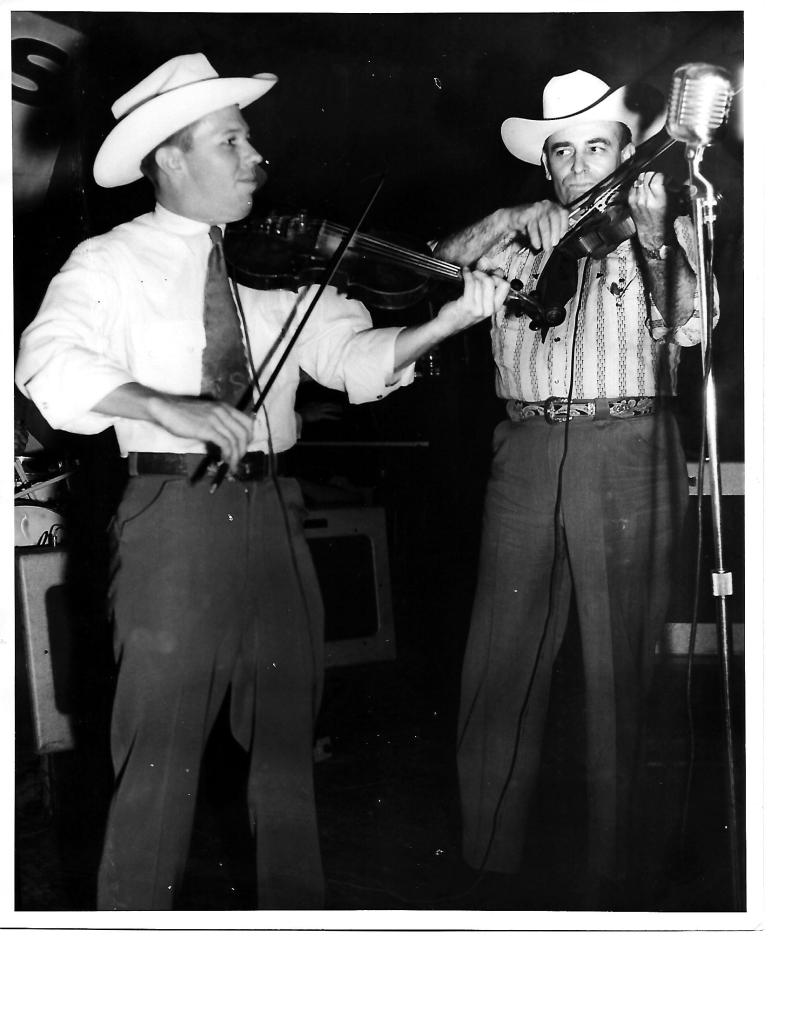
The announcers stepped back from the microphones and gave the boys a thumbs-up to start their show. Le Petite counted off a cajun song about a “Big Mamou” and went into “Will The Circle Be Unbroken” and then “Cold Beer and Calomine Lotion.” The band played every tune they knew, finishing up with Johnny playing a fiddle tune called “Lone Star Rag,” which caused Bob Wills, with a big grin on his face, to rise from his chair and clap along. When the show ended, Bob gave Johnny a few pointers, telling him he had a bright future in country music and to get in touch when and if he returned to Fort Worth. Fifteen years later, back home in Texas and playing country music for a living, Johnny got in touch with Bob Wills, who became his mentor and close friend, gifting Johnny with one of his fiddles, which he is playing in this photo. I have that fiddle as well as my grandfather’s fiddle.

My father, Johnny Strawn playing twin fiddles with Bob Wills. Forth Worth, around 1952.

  • * Cajun Blamofatchy is a piece of wood use

Chapter 8. California Ho!-Blind Jelly Roll Jackson Brings Home The Le’ Petite Fromage


Young Johnny and the rest of the string band joined the Strawn family for Sunday church attendance. John Henry warned the boys that they were about to witness a religious spectacle, so hang on to your britches. He also told the boys that If Jelly Roll was invited to join their group, all four of them would be standing before him, even though he is blind, for revering one’s elders was of the utmost importance.

Bertha and the boys walked with John Henry to the orchestra dressing room, where they found Jelly Roll and Pancho Villa seated on a red velvet settee, likely the same furniture that Sister Aimee used in the soul-saving of Jelly Roll, who now embraced his savior with religious zeal. Each of the boys introduced themselves, shook hands with Jelly, and gave a guarded pat to Pancho Villa; the banjo player was the only one to get a vicious bite from the foul-tempered canine. After a brief, casual conversation, young Johnny inquired if Jelly Roll would entertain the notion of joining the string band. Jelly Roll pondered the request for a few minutes, then gave them a yes, but a young female singer from the choir he had recently befriended would come with the package. The boys agreed, and a deal was struck.

Jelly Roll produced a tidbit of dried bacon from a pocket and gave it to Pancho Villa; he then directed the pooch to hurry down the hallway and fetch Miss Fromage. Pancho returned with a smallish girl in tow. Jelly Roll introduced the boys to *Miss Le Petite Fromage from Chigger Bayou, Louisiana. Her daddy is Baby Boy Fromage, the famous Cajun singer, so her vocal abilities come from good stock. Miss Le Petite was a diminutive gal, measuring less than five feet, yet possessing the curves and form of a fully grown woman, except for her hands and feet, which were the size of a small child’s: she had little baby feets and hands. When she spoke, her heavy cajun-accented voice was as smooth as honey on a warm biscuit. Jelly Roll and Miss Fromage agreed to rehearse with the boys on Saturday at John Henry’s home. The group left with the boys feeling like something big was about to happen.

On Saturday, John Henry gathered up Blind Jelly Roll and Miss Fromage and delivered them to his humble home. The boys perched themselves on the front porch. They were as nervous as a cat in a dog show, and who wouldn’t be: this was their first foray into professional music. John Henry kindly assisted Jelly Roll and Pancho Villa to a seat while Miss Fromage opted to stay standing.

After assisting the boys in tuning up, Jelly asked, “Are you all familiar with Mama Mabel Carter’s tune, Will The Circle Be Unbroken?”

The lads nodded knowingly. He then tapped his foot, “In the key of G, one ana two ana three ana four-ahh.”

After a lively eight-bar introduction with Jelly Roll bending his guitar strings into a torturous sound and Johnny joining him with his fiddle, Le Petite took a deep breath, stood up on her tiny toes, and belted out the song with such gusto that her boisterous vocals nearly blew the boards off the porch floor. By the song’s end, neighbors had gathered in the front yard, their feet tapping and hands clapping in rhythm to the spirited tune.

Turning to the band, Le Petite declared, “The next ditty is from my dear ole Daddy, Baby Boy. It’s a G-C-D progression with A minor thrown in for color. It’s called Party On The Bayou: Cold Beer And Calamine Lotion.” Step it up, boys; it’s a rapide quick-un”

The band played for two hours, covering Cajun music, Dallas blues, and some Bakersfield Okie-inspired country. It was clear that Jelly Roll and Le Petite were professionals and were teaching these lads a thing or two. The rehearsal was a rousing success. But now, if they were to play for money, they needed a good name for the band. Johnny threw a couple out, as did the banjo picker, but nothing stuck on the wall.

Le Petite said, ” Monsieur Jelly Roll, being a blind fellow, and now a born again unto sweet Baby Jesus with the strong, unshakable faith, why not call this outfit **”Blind Faith?” They liked it, and Le Petite announced, “So let it be written, so let it be done.”

  • *Le Petite Fromage is a type of French cheese popular in the bayou country of Louisiana.
  • **Blind Faith was a 1960s supergroup consisting of Steve Winwood, Eric Clapton, Ginger Baker, and Ric Grech. My father couldn’t remember the name of his string band, so Jelly Roll, being blind and embracing his newly found faith, seemed to fit.